
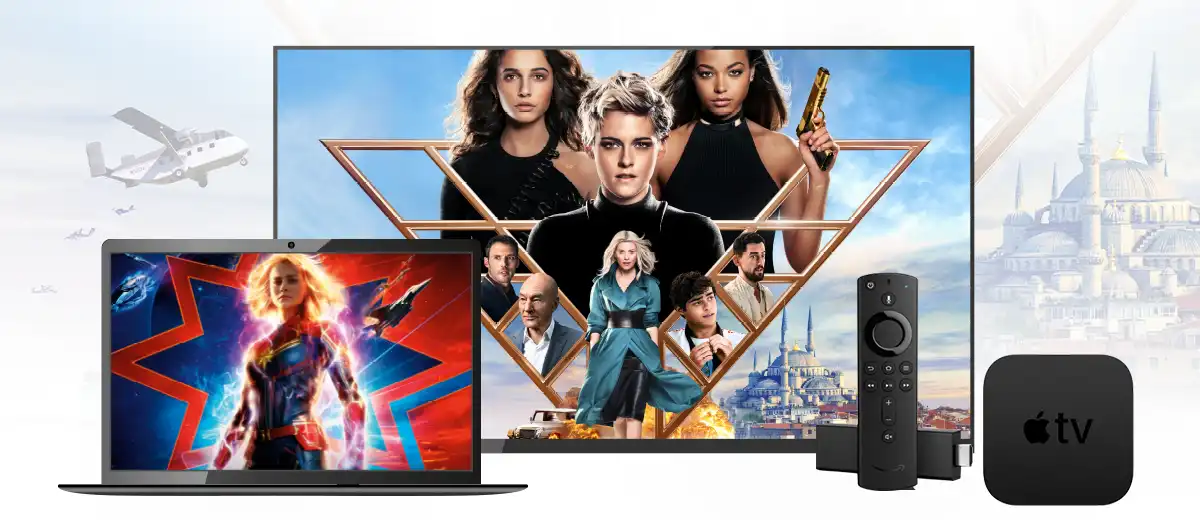
What do you think drives business success?
It is the ability to adapt and grow, moving at the speed of technology and industry change. This is exactly why Netflix remains dominant in the streaming industry.
With an industry potential of USD 416.8 billion by 2030, Netflix’s contribution represents a major share.
TAKE AWAY: Micromanage your audience’s behavior and deliver the demanded experience before competitors notice!
What is an SVOD Platform?
It refers to a subscription video on demand service where users pay a recurring monthly or yearly fee to access a complete content library without limits.
Subscriptions typically auto-renew and provide ongoing access to movies, series, documentaries, and exclusive programming as long as the subscription remains active.
Unlike traditional broadcasting, this platform allows users to watch content on demand across multiple devices.
How an SVOD Platform Works
Understanding how this platform operates helps beginners and businesses understand why this business model dominates modern streaming.
Step 1: Subscription Sign-Up
Users subscribe to this service through monthly or annual plans.
Step 2: Payment Automation
This platform securely processes recurring billing.
Step 3: Content Access
Subscribers gain unlimited access to the SVOD channel or content catalog.
Step 4: Personalization Engine
Modern platforms use AI personalization to recommend relevant content.
Step 5: Recurring Revenue Generation
This business model creates predictable income for platform owners.
Key Features
A successful platform typically includes:
- Unlimited content streaming
- Ad-free viewing (premium tiers)
- Multi-device access
- Personalized recommendations
- Offline viewing capabilities
- Multiple user profiles
- HD and 4K streaming support
These features make these services highly attractive compared to traditional VOD systems.
Latest Trends and Statistics in the SVOD Platform Market (2026)
The platform ecosystem continues to grow rapidly as audiences shift away from cable television.
Key industry insights:
- The global streaming market is projected to reach USD 195.85 billion by 2026.
- North America remains a dominant market for streaming services.
- Most households now subscribe to multiple platforms.
- Original content investment drives subscriber retention.
Major SVOD Platform Trends
Hybrid Subscription Models
Many services now combine subscriptions with limited advertising tiers.
Original Programming Expansion
Exclusive content differentiates this platform in a competitive market.
Bundled Services
Streaming subscriptions are bundled with telecom and retail memberships.
AI Personalization
Advanced analytics improve engagement and reduce churn.
Examples of Popular SVOD Platforms
Well-known platform examples include:
- Netflix
- Amazon Prime Video
- Disney+
- Hulu
- Apple TV+
These streaming services demonstrate how subscription-based delivery scales globally.
How the Modern Platform Is Reshaping TV and Streaming in 2026
The role of the this platform has evolved far beyond simply replacing traditional cable television. In 2026, streaming is no longer viewed as an alternative to TV but as the primary way audiences consume entertainment.
On-Demand Viewing as the Default Experience
Modern audiences expect complete control over what they watch and when they watch it. This platform enables viewers to access entire seasons, personalized recommendations, and exclusive releases instantly.
Personalized Streaming Experiences
Streaming service uses AI-driven personalization to recommend content based on viewing behavior, improving engagement and discovery.
Multi-Device and Anywhere Access
These platforms support seamless viewing across smart TVs, smartphones, tablets, laptops, and gaming consoles.
Content Exclusivity Driving Platform Loyalty
Original productions and exclusive releases are now central to this platform’s growth strategies.
Advantages and Disadvantages of Using an SVOD Platform
Advantages of SVOD Services
- Extensive content libraries
- Ad-free entertainment
- Flexible viewing schedules
- Multi-user accessibility
- Personalized discovery
- Lower cost compared to cable
Disadvantages of SVOD Platforms
- Requires strong internet connectivity
- Multiple subscriptions increase expenses
- Limited live programming
- Regional content restrictions
- Content quality variation
SVOD Platform vs AVOD vs TVOD: Monetization Model Comparison
| Factor | SVOD Platform | AVOD | TVOD |
| Revenue Model | Subscription fees | Advertising | Pay-per-view |
| Access | Unlimited | Free with ads | Purchase/rent |
| Ads | Usually none | Included | Optional |
| Access Duration | Active subscription | Unlimited | Limited window |
| Ideal For | Large libraries | Mass audiences | Premium releases |
Choosing the Right SVOD Business Model
This business model is ideal for platforms seeking predictable recurring revenue.
| Business Goal | Recommended Model |
| Stable monthly revenue | SVOD platform |
| Audience expansion | AVOD |
| Premium launches | TVOD |
Many OTT providers combine SVOD and AVOD monetization strategies.
Who Should Launch an SVOD Platform?
This platform works best for:
- Media companies
- Online educators
- Fitness platforms
- Faith-based streaming services
- Niche entertainment creators
A focused audience improves subscription retention and long-term growth.
Challenges Facing SVOD Platforms in 2026
Modern SVOD services face increasing competition and evolving viewer expectations.
Key challenges include:
- Subscription fatigue
- Rising production costs
- Platform competition
- Subscriber churn
- Continuous demand for fresh content
Analytics and personalization remain essential for platform success.
Is an SVOD Platform Right for You?
Consider these factors:
Content Library Size
Large catalogs perform better on this type of platform.
Pricing Strategy
Subscription pricing must balance growth and profitability.
Internet Requirements
Reliable connectivity ensures smooth SVOD delivery.
Viewing Habits
Best suits on-demand viewers more than live-TV audiences.
Why this Platform Model Is Highly Profitable
Streaming leaders rely heavily on this model due to predictable income streams.
Market forecasts indicate:
- Revenue may exceed $160 billion by 2030.
- OTT audiences continue expanding globally.
- Average revenue per user continues rising.
Success depends on:
- Original content investment
- Subscriber retention strategies
- Flexible subscription plans
- Personalization technologies
When Can this Platform Start Generating Revenue?
Successful platforms focus on:
- Building extensive content libraries
- Targeting niche audiences
- Producing exclusive content
- Offering free trials
- Tracking viewer analytics
- Providing flexible subscriptions




Leave a Reply to Leilani Cancel reply