
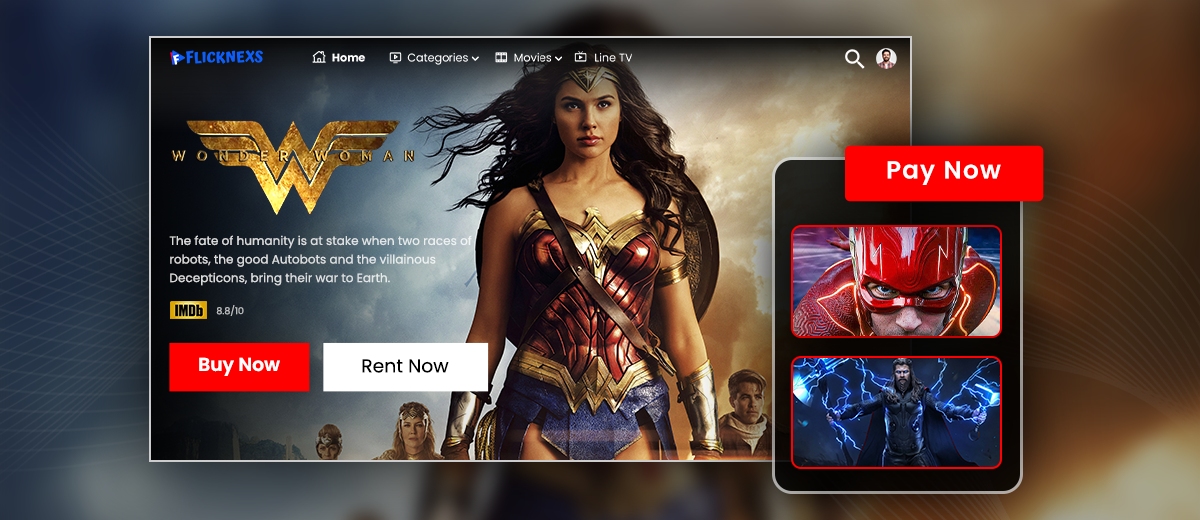
TL;DR
- PPV works best for time-sensitive, exclusive or high-demand content.
- Revenue can start immediately, but profit depends on costs and demand control.
- Most PPV failures occur due to wrong timing, not weak platforms.
- Seasonal demand affects pay per view more than pricing strategy.
- A PPV + Subscription hybrid monetization model is the most reliable long-term setup.
- Platforms that combine monetization models scale faster than those relying solely on PPV.
Why Monetization Is a Real Problem for Video Platforms
Most video platforms struggle to monetize consistently.
- Ad revenue fluctuates.
- Subscriptions grow slowly.
- Platforms often experiment without a clear pay per view model, leading to unstable cash flow.
PPV enters the picture when platforms need faster revenue, but it only works under specific conditions. Understanding how to earn money from OTT pay per view platforms matters more than choosing the right tool.
Create and stream your content
What Is Pay-Per-View (PPV)?
What is pay per view? It is a one-time payment for access to a specific piece of content. Users pay only when they want access, with no long-term commitment.
PPV content sells urgency, not volume. Once the moment passes, the value drops, making PPV powerful but unforgiving.
Keyword-focused addition:
Pay-per-view (PPV) is a transactional video on demand (TVOD) or rental-based streaming model where viewers pay per view a one-time fee to watch a specific event, movie, concert or online workshop. Unlike subscription services, PPV videos charge only when users access content, not on a recurring basis. PPV can be live or on-demand, often used for high-demand, exclusive or limited-time events.
Today, PPV is often referred to as a pay per view model, especially in the streaming and online space. Platforms like Amazon Prime Video, YouTube, Muvi and other pay per view websites offer PPV-style access to movies, events and live streams.
How PPV Works in Real Platforms / Step-by-Step
Content is placed behind a pay per view platform paywall. Price and access rules are fixed before launch. Users must pay before playback. Access is usually limited by time or device.
Step-by-step process:
- User selects a pay-per-view event or content.
- Pays through a payment gateway (credit card, PayPal or platform wallet).
- Gets access instantly or at the scheduled time.
- Watches within a limited time window.
Key points:
- No recurring subscription required.
- Access is often time-restricted.
- Common in sports, concerts, premium streaming events and niche online content.
How to Buy and Watch Pay-Per-View
- Select the pay per view video you want to watch.
- Pay a one-time fee using a payment method.
- Watch at the scheduled time (live) or within the allowed window (on-demand).
Tips:
- Use official pay per view website platforms only.
- Check device compatibility.
- Ensure stable internet.
- Avoid illegal streams or unofficial PPV videos.
Examples and Use Cases of PPV
- Paying to watch a live boxing, UFC or wrestling match.
- Renting a newly released movie online.
- Buying access to live webinars, virtual concerts or esports events.
Platforms like Amazon Prime Video, YouTube and other OTT pay per view apps allow renting or buying content without a subscription.
Who Has the Highest Pay-Per-View of All Time?
Floyd Mayweather Jr. vs Manny Pacquiao, 2015
- PPV buys: Over 4.6 million
- Revenue: Over $400 million
This event set records due to global anticipation, making it the most successful pay per view video event in history.
Is Pay-Per-View Still a Thing in 2026?
Yes. PPV is still relevant but has shifted toward digital streaming.
Popular platforms: YouTube, Muvi, Peacock
Direct-to-consumer events: fitness, esports, exclusive concerts
Best for: Exclusive, high-demand, live content
Current Status of Pay-Per-View Services
Pay-per-view is still active but no longer dominant.
- Strong in live sports and exclusive events.
- Declining in general entertainment due to subscription services (Netflix-style).
- Facing competition from free ad-supported platforms like YouTube and OTT pay per view apps.
Major shift: Most platforms now use a hybrid monetization approach (free + paid) rather than relying solely on PPV.
Pros and Cons of the Pay-Per-View Model
Pros:
- High revenue from loyal fans
- Works well for exclusive or high-demand events
- No long-term commitment for users
Cons:
- Limited reach (casual users won’t pay)
- Encourages piracy
- Requires marketing effort per event
- Revenue can be inconsistent
Hire developers to create your platform
Why Users Are Frustrated with PPV
- High pricing → $50–$80 per event feels excessive
- Double payment problem → subscription + PPV
- Ads despite payment → breaks trust
- Device restrictions → limits group viewing
- Poor reliability → stream crashes
Insight: Users want value + flexibility, not rigid pricing.
When Should You Use Pay-Per-View?
Best cases:
- Exclusive live events
- Niche audiences with strong interest
- High-value content
Avoid PPV when:
- You need mass audience growth
- Your brand is still unknown
PPV vs Subscription vs Free Models
| Model | Pros | Cons |
| PPV | High-value, one-time events | Weak for long-term growth |
| Subscription | Predictable revenue, loyal audience | Slower initial revenue |
| Free (Ad-supported) | Maximum reach | Lower direct revenue |
Reality: Hybrid approaches dominate in 2026.
Hybrid Monetization
How it works:
- Free tier → attract mass audience
- Paid tier (PPV/subscription) → monetize superfans
Why it works:
- Free content builds awareness
- Paid content captures high-intent users
Example: Free fights attract viewers → exclusive behind-the-scenes content monetizes fans.
PPV Pricing and Revenue Mechanics
Factors influencing price:
- Audience size
- Content exclusivity
- Competitor pricing
- Region
Strategies:
- Lower price → higher volume
- Premium price → exclusivity
- Sweet spot: Price should feel instantly worth it
How PPV Platforms Make Money
- Creator sets price
- User pays
- Platform deducts fees & processing costs
- Remaining → creator payout
Additional monetization: Coupons, bundles, regional pricing, upsells.
Payment Fees and Cost Breakdown
- Payment gateway: ~2–5%
- Platform fee: 10–30%
- Currency conversion fees
- Hidden costs: Refund handling, chargebacks, taxes
Key takeaway: Creators don’t receive 100% of PPV revenue.
Platform Selection
- Secure streaming (DRM, encryption)
- Flexible pricing models (ppv model)
- Payment gateway integration
- Analytics & user tracking
- Multi-device support
Platform types: Fully hosted solutions, custom pay per view platform.
YouTube and PPV Reality
YouTube does not offer pure PPV.
Alternatives:
- Channel memberships
- Paid rentals (movies)
- Live event monetization (limited)
Limitation: Less control over pricing & access.
Best use: Use YouTube for reach, not full pay per view monetization.
Technical Problems and Fixes
Problems: Stream crashes, buffering, limited devices, high latency
Solutions: Strong CDN, optimized streaming, multi-device access, pre-event testing
Setup Guide
Follow these steps to set up your pay-per-view platform and start monetizing your video content effectively.
- Choose platform/provider
- Upload content
- Set pricing (pay per view video pricing)
- Integrate payment gateway
- Enable security features (DRM, watermarking)
- Launch and promote
User Intent Insights
Common user sentiments:
- “Too expensive for one event”
- “Why pay twice?”
- “I’ll just wait for free clips”
Key insight: Users want value + flexibility, not rigid pricing.
Future of PPV
- Hybrid monetization growth
- Creator-owned platforms
- Social media integration
- Personalized pricing
Safety and Trust
Is PPV safe? Yes, if:
- Platform uses secure payment gateways
- Content is protected with DRM
- Access is controlled
Risks: Fake websites, payment fraud
Advice: Always use trusted platforms.
Conclusion
Pay-per-view (PPV) remains a powerful monetization model for video platforms in 2026, especially for exclusive, high-demand, or live content. While it provides immediate revenue, its success depends on timing, pricing strategy, and audience demand. Platforms that combine PPV with subscription models (hybrid monetization) achieve more stable growth and higher long-term profits.
Whether you are running a pay per view website, offering PPV videos, or integrating an OTT pay per view platform, understanding the PPV model is essential to maximize revenue, engage superfans, and reduce risks like piracy and user frustration.
In short, the pay per view streaming model is not just a revenue tool, it is a strategic approach for monetizing content in today’s competitive digital video market.




Leave a Reply