
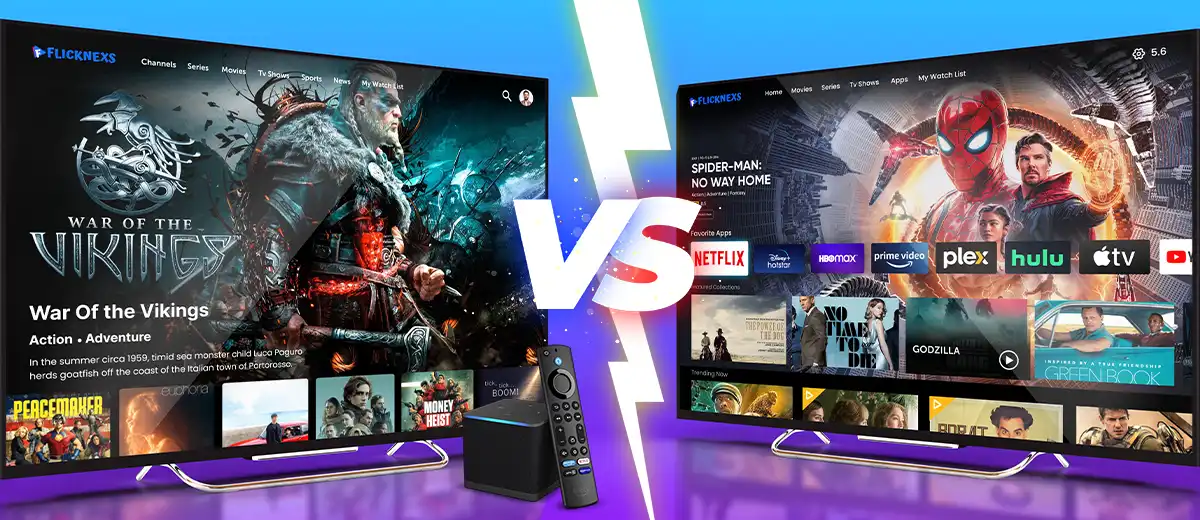
Internet-based streaming technologies have completely transformed how video content is delivered and consumed worldwide. Businesses, broadcasters, and content creators can now reach audiences directly without relying on traditional cable or satellite television.
Modern over-the-top media service platforms (OTT) and IPTV technologies are the backbone of this transformation. Companies launching digital streaming products, TV apps, or subscription platforms often evaluate both technologies before choosing the right model.
When comparing IPTV vs OTT, many people struggle to understand how these two technologies differ and which option is best for their needs.
This is especially true for entrepreneurs researching how to start OTT platform services, build an OTT business plan, or launch a new OTT channel for digital streaming.
By the end of this article, you will clearly understand whether IPTV or OTT is the better choice. If you are new to streaming technology, you can first understand the basics through What is OTT Full Form? A Complete Guide to Media Streaming, which explains OTT platform meaning and how modern streaming platforms function.
What is IPTV?
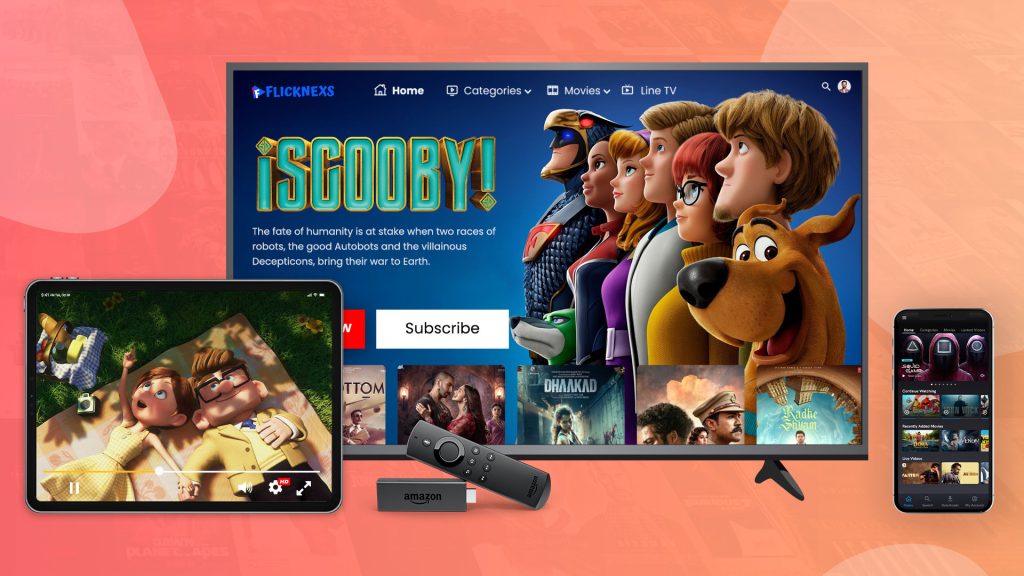
IPTV (Internet Protocol Television) is a digital television broadcasting technology that delivers TV content through a managed internet protocol network instead of traditional cable or satellite systems.
It is typically a subscription-based service offering live TV channels, video-on-demand content, and interactive television features. Telecom operators and internet service providers commonly use IPTV technology to provide controlled and high-quality television services.
To explore IPTV in detail, including its architecture and categories, read What is IPTV? and Best Types of IPTV: Top Guide in 2024 for a deeper understanding.
How IPTV Works
IPTV distributes television content using internet protocol networks. After subscribing, users access the service through a dedicated set-top box or compatible application.
The process works as follows:
- The IPTV provider transmits TV signals as data packets.
- These packets travel through a managed network.
- A set-top box or app decodes the packets.
- The content is displayed on the user’s TV or device.
Because IPTV operates on a controlled network, providers can maintain consistent streaming quality.
Businesses planning IPTV-based services alongside OTT streaming solutions often analyze infrastructure and streaming software. To learn more, explore IPTV Streaming Software Explained: Features, Benefits & Best Platforms in 2026.
Advantages of IPTV
- High-quality video and audio delivery
- Stable streaming with minimal interruptions
- Interactive features like pause, rewind, and time-shifting
- Personalized channel packages
- Reliable live TV broadcasting
Disadvantages of IPTV
- Requires high-speed internet infrastructure
- Limited availability in some regions
- Network congestion may cause buffering issues
- Often requires dedicated hardware or set-top boxes
Higher operational and subscription costs
What is OTT?
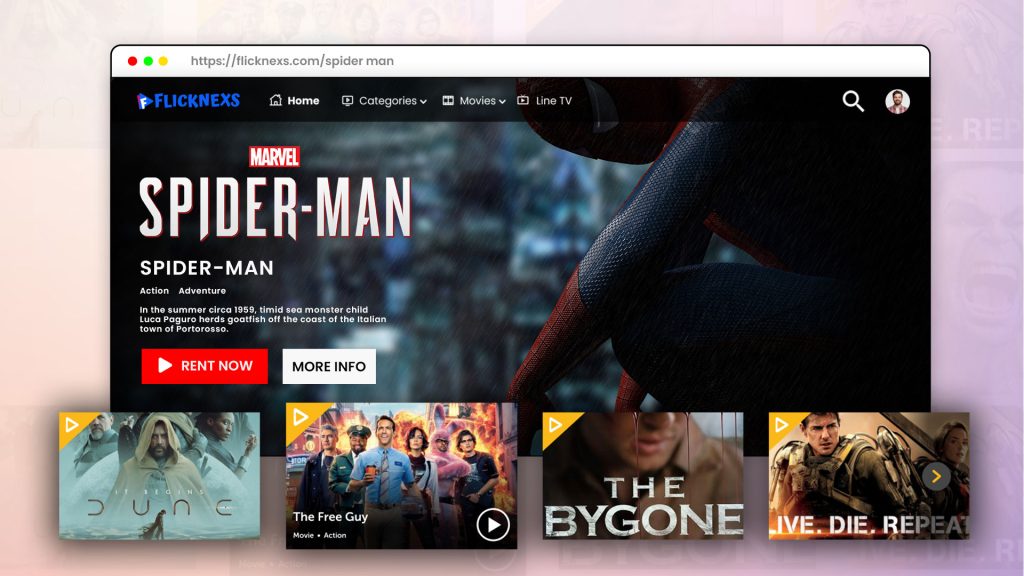
OTT (Over-The-Top) refers to delivering video content directly over the public internet without using traditional cable or satellite providers.
An OTT platform allows users to watch content anytime through internet-connected devices such as smart TVs, smartphones, tablets, and laptops.
OTT platforms have become the foundation of the global streaming economy, enabling creators and businesses to build scalable digital media services.
If you want a beginner-friendly overview of OTT ecosystems, refer to What is OTT(Over The Top)? for a simplified explanation.
How OTT Works
OTT platforms stream video directly to users via the internet using adaptive streaming technologies such as HTTP Live Streaming (HLS) and Dynamic Adaptive Streaming over HTTP (DASH).
These technologies automatically adjust video quality based on internet speed, ensuring smooth playback across devices.
Modern OTT platforms rely heavily on streaming infrastructure explained in The Ultimate Guide to OTT Video Platforms: Features, Benefits & Top Providers in 2026.
For companies exploring how to start an OTT service or how to start OTT business platforms, understanding this streaming architecture is essential.
Advantages of OTT
- Watch content anytime without fixed schedules
- Wide device compatibility
- Global audience reach
- Lower subscription costs compared to traditional TV
- Access to exclusive and original content
OTT platforms also allow businesses to launch your own OTT platform, create subscription-based TV apps, and scale internationally without heavy infrastructure investment.
Disadvantages of OTT
- Strong dependence on internet stability
- Quality may vary based on bandwidth
- Some platforms have geographic content restrictions
- Live TV options may be limited on certain services
IPTV vs OTT — Key Differences Explained
Understanding the difference between IPTV and OTT helps businesses and viewers choose the right streaming solution.
| Aspect | IPTV | OTT |
| Delivery Method | Dedicated managed network | Open public internet |
| Content Type | Mostly live TV | Mostly on-demand content |
| Quality of Service | Consistent and controlled | Internet-dependent quality |
| Cost Structure | Higher infrastructure investment | More affordable deployment |
| Device Compatibility | Limited devices | Multi-device support |
| Scalability | Local or regional | Global expansion possible |
Understanding streaming models becomes easier when comparing related concepts like VOD vs OTT: Understanding Key Differences.
IPTV vs OTT for Businesses and Content Creators
Choosing between IPTV and OTT depends on your business goals and target audience.
Choose IPTV if:
- You operate a telecom or ISP network
- You need guaranteed streaming quality
- Your audience is regional or local
- You focus heavily on live TV broadcasting
Choose OTT if:
- You want global audience reach
- You plan to launch your own OTT platform quickly
- You need multi-device compatibility
- You want scalable monetization options
Many startups researching how to start an OTT platform, how to start OTT channel, or build an OTT business plan choose OTT because of its flexibility and global scalability.
Businesses evaluating monetization strategies should also explore AVOD vs SVOD vs TVOD: How to Choose The Right Model? to select the right revenue approach.
IPTV vs OTT Technology Comparison
The technological foundation also differentiates IPTV and OTT platforms.
IPTV Technology
- Managed IP networks
- Controlled bandwidth allocation
- Dedicated infrastructure
- Stable quality delivery
OTT Technology
- Content Delivery Networks (CDNs)
- Adaptive bitrate streaming
- Cloud-based infrastructure
- Highly scalable architecture
Video delivery performance also depends on encoding efficiency, which is explained in The Ultimate Guide to HEVC Video Extensions: Unleashing the Power of High-Efficiency Video Coding.
IPTV or OTT — Which is Better?
There is no universal winner in the IPTV vs OTT comparison. The better option depends entirely on your objectives.
For global streaming platforms:
OTT is the best choice due to scalability and accessibility.
For controlled broadcast environments:
IPTV offers superior quality and reliability.
For startups and content creators:
OTT provides lower entry barriers and faster growth opportunities.
For telecom operators:
IPTV remains a strong solution for delivering premium live television services.
If you are planning to launch your own OTT platform or researching how to start an OTT platform, follow How to Start OTT Platform: Comprehensive Guide for a complete step-by-step roadmap.
Conclusion
IPTV and OTT are two powerful methods of delivering television content over the internet, but they serve different purposes.
IPTV uses a managed private network to deliver stable, high-quality broadcasts, while OTT streams content through the public internet, offering flexibility and global accessibility.
For entrepreneurs exploring how to start OTT platform businesses, OTT solutions provide faster deployment, lower infrastructure costs, and global scalability.
To understand how streaming businesses generate revenue after choosing OTT or IPTV, read How to Earn Money From OTT Platform?, which explains practical monetization strategies.
Understanding the differences between IPTV and OTT allows businesses and viewers to make informed decisions based on content type, scalability, cost, and user experience requirements.




Leave a Reply to Jonathan Cancel reply