
Quick Answer: What does it take to become one of the successful Roku developers building real streaming businesses today? It usually starts with a clear content niche, a reliable OTT platform to publish through and a monetization strategy that fits the audience — not necessarily a big engineering team. This article walks through real paths Roku developers have taken, from first channel to sustainable business.
The Roku TV Developers blog is a valuable resource for developers and content creators looking to optimize0 and enhance their apps and channels for the Roku platform. This blog provides in-depth insights, tutorials and best practices, helping developers stay up-to-date with the latest Roku TV development trends and tools. It covers topics like app design, monetization strategies and performance optimization, fostering a vibrant community of Roku TV app creators. Whether you’re a seasoned developer or a newcomer, this blog offers a wealth of information to help you create compelling, user-friendly experiences for Roku TV users.
By the Flicknexs team. We build white-label OTT/VOD/IPTV platforms, so this is written from hands-on streaming-platform experience.
What is Roku TV?
Roku TV developers devices, such as streaming sticks that allows users to access a wide range of entertainment content directly on their television screens. It provides a simple and user-friendly interface, enabling individuals to stream movies, TV shows, sports and other media from various online sources. Roku TV developers devices, such as streaming sticks, set-top boxes and smart TVs, connect to the internet and offer access to numerous streaming services like Netflix, Hulu, Amazon Prime Video, The Roku Channel and more. With Roku TV, users can customize their streaming experience, discover new content and enjoy high-quality entertainment at their convenience. It has become a prevalent choice for cord-cutters seeking an all-in-one streaming solution.
Read about How to Get Roku TV Channel
How Does Roku TV Developers Works?
Roku TV developers is a company that specializes in streaming media devices and platforms. They offer a range of products, including set-top boxes, streaming sticks and smart TVs, which allow users to access and stream content from various online services such as Netflix, Hulu, Amazon Prime Video and more.
Read about Guide to start a Roku TV Channel
Feature of Roku TV Developers
Here are some Feature of Roku TV Developers:
- Roku TV provides a developer-friendly environment with a dedicated developer portal and extensive documentation.
- Developers can create custom channels and apps for Roku TV devices.
- Supports multiple programming languages, including Roku’s proprietary BrightScript and popular web technologies like HTML, CSS and JavaScript.
- Roku TV developers an emulator for testing channels and applications without the need for physical devices.
- This can be set to “developer mode,” allowing developers to sideload and test their apps on actual hardware.
- Developers can monetize their Roku TV channels through advertising, subscription models, or pay-per-view content.
- Roku TV offers analytics and reporting tools to help developers track the performance of their channels and user engagement.
- Roku TV developers supports universal search, enabling users to search for content across multiple channels.
- Developers can integrate voice control into their Roku TV channels using Roku’s Voice Search and Voice Control APIs.
- Roku TV developers has security measures in place to protect user data and channel content.
Tips for Becoming a Successful Roku TV Developers
Learn BrightScript
BrightScript is the primary programming language used to develop Roku TV channels. To become a successful Roku TV developers, you must have a strong grasp of this language. Make sure to study its syntax, data types and functions.
Understand the Roku TV Platform
Understanding the Roku TV platform is fundamental to growing a hit Roku TV channel. Take time to find out about its capabilities, together with how the channel shop works, how content is brought and how advertising works.
Utilize the Roku TV Developers Tools
Roku TV provides a range of developer tools to help you build, test and debug your channels. Make sure to use these tools to your advantage.
Test on Real Devices
Testing your channel on real devices is essential to ensure that it works as intended. Use Roku TV devices to test your channel on diffuser testing can help you identify issueserent screen sizes and resolutions.
Engage with the Roku TV Developers Community
The Roku TV Developers Community is a great resource for learning and getting help. Engage with other developers, ask questions and contribute to the community.
Stay Updated
The Roku TV platform is constantly evolving, so ensure to stay updated on new capabilities, equipment and best practices. Follow Roku TV developers blogs, attend webinars and take part in forums to live updates.
How Flicknexs Help’s to Roku TV App Development
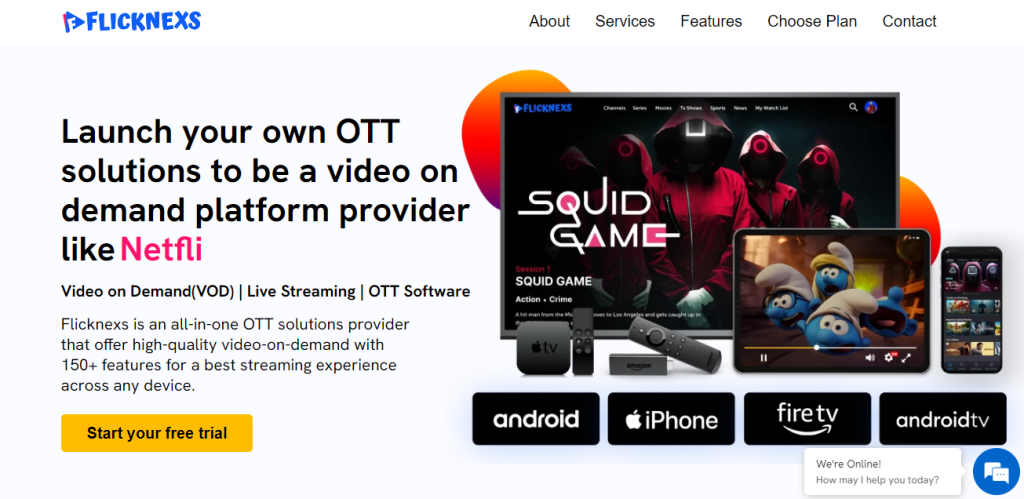
Choosing Development Tools: Developers typically use the Roku SDK (Software Development Kit) to create applications for Roku TV. They might also use BrightScript, a programming language specific to Roku.
Content Development: Content is at the heart of Roku TV applications. Developers need to create and organize content, which can include videos, images and other media.
UI/UX Design: Designing an intuitive and visually appealing user interface is crucial for a successful Roku TV app. Roku provides design guidelines and tools to help developers create a consistent and user-friendly interface.
Coding and Testing: Developers write the code for the Roku app, incorporating features, navigation and interactivity. Extensive testing is necessary to ensure the app works smoothly on Roku devices.
Deployment: Once the app is ready and thoroughly tested, it needs to be deployed to the Roku platform. This often involves creating a developer account on the Roku Developer Dashboard and submitting the app for review.
Monetization: Developers may choose to monetize their Roku TV apps through various methods, such as advertisements, subscriptions, or one-time purchases. Roku provides options for integrating monetization features into apps.
Ongoing Maintenance and Updates: After the app is launched, developers need to provide ongoing maintenance, including fixing bugs, updating content and ensuring compatibility with new Roku device models and firmware updates.
Marketing and Promotion: Promoting the Roku TV app is crucial for gaining a user base. This may involve advertising, social media marketing and other promotional activities.
User Feedback and Improvement: Listening to user feedback and making improvements to the app is essential for long-term success. Developers should be responsive to user comments and reviews.
Conclusion
The inspiring stories of successful Roku TV developers serve as a testament to the limitless possibilities and potential within streaming and digital entertainment. Their stories inspire aspiring developers to pursue their dreams, reminding us that with dedication and passion, anyone can carve their own path in the changing digital landscape. The success of these Roku TV developers is a testament to the power of vision and the immense opportunities available in streaming technology.
Implementing User-Centric Design on Roku TV
To create a user-centric design on Roku TV, developers should focus on understanding their target audience and designing an interface that is intuitive and easy to navigate. This can be achieved by conducting user research, creating user personas and designing wireframes and prototypes. According to the Roku Developer Guide, a well-designed user interface should be simple, consistent and visually appealing.
Developers can use Roku’s SceneGraph technology to create custom user interfaces that are optimized for TV screens. SceneGraph allows developers to create complex, animated UI components using a simple, declarative syntax. By using SceneGraph, developers can create a unique and engaging user experience that sets their app apart from others on the Roku platform.
Designing for TV Screens
When designing for TV screens, developers should consider the unique characteristics of the medium. TV screens are typically larger and farther away from the user than mobile or desktop screens, which means that text and graphics should be larger and more legible. Additionally, TV screens often have a wider aspect ratio than other screens, which can affect the layout and composition of the user interface.
Developers should also consider the input methods that users will use to interact with their app. On Roku TV, users typically use a remote control to navigate and select items, which can be slower and more error-prone than other input methods. To mitigate this, developers can use techniques such as predictive scrolling and keyboard shortcuts to make navigation easier and more efficient.
Monetization Strategies
There are several monetization strategies that developers can use to generate revenue from their Roku TV app. Advertising is a popular option, with developers able to use Roku’s Video Ad SDK to insert video ads into their content. Subscription models are another option, with developers able to use Roku’s Payment SDK to process payments and manage subscriptions.
Pay-per-view content is another option, with developers able to use Roku’s Billing SDK to process payments and manage entitlements. By using a combination of these monetization strategies, developers can create a robust and sustainable business model for their Roku TV app.
Cross-Platform Compatibility
Cross-platform compatibility is critical for Roku TV developers, as it allows them to reach a wider audience and increase revenue. By developing apps that are compatible with multiple platforms, including mobile, desktop and TV, developers can create a consistent and engaging user experience across different devices and screens.
According to the Roku Developer Guide, cross-platform compatibility can be achieved by using platform-agnostic technologies such as HTML, CSS and JavaScript. By using these technologies, developers can create apps that are compatible with multiple platforms, including Roku TV, without having to rewrite code or duplicate effort.
Testing and Debugging
Testing and debugging are critical components of the Roku TV app development process. By testing and debugging their apps thoroughly, developers can ensure that they are stable, reliable and performant and that they provide a high-quality user experience.
Developers can use Roku’s Emulator to test and debug their apps on a simulated TV environment. The Emulator allows developers to test their apps on different TV screen resolutions and aspect ratios and to simulate user input and interactions. By using the Emulator, developers can identify and fix issues early in the development process, which can save time and reduce costs.
Requirements and Timelines
When developing a Roku TV app, there are several requirements and timelines that developers should be aware of. According to the Roku Developer Guide, all Roku TV apps must meet certain technical and content requirements, such as providing accurate metadata and complying with Roku’s content policies.
Developers should also be aware of the timelines for developing and deploying a Roku TV app. The development process typically takes several weeks or months, depending on the complexity of the app and the experience of the development team. By planning ahead and allowing sufficient time for development, testing and deployment, developers can ensure that their app is launched on time and meets the required standards.
Content Discovery and Personalization
Content discovery and personalization are crucial aspects of a successful Roku TV app. Developers can implement features such as recommendations, search and filtering to help users find content that interests them. For example, developers can use metadata such as genre, director, or cast to provide personalized recommendations.
Developers can also use machine learning algorithms to analyze user behavior and provide personalized recommendations. According to a report by the International Journal of Advanced Research in Computer Science, “machine learning algorithms can be used to analyze user behavior and provide personalized recommendations” (International Journal of Advanced Research in Computer Science, 2020).
Roku SDK Advancements
The Roku SDK is constantly evolving, with new features and updates being added regularly. Developers should stay up-to-date with the latest Roku SDK advancements to ensure that their app is taking advantage of the latest features and technologies. For example, the Roku SDK provides support for voice control, which allows users to control their app using voice commands.
Developers can use the Roku Developer Blog to stay informed about the latest Roku SDK advancements. The blog provides information on new features, updates and best practices for developing Roku TV apps. According to the Roku Developer Blog, “the Roku SDK provides support for voice control, which allows users to control their app using voice commands” (Roku Developer Blog, 2022).
Implementation Steps for Roku TV Developers
To develop a successful Roku TV channel, developers must follow a series of implementation steps. First, they must create a developer account on the Roku website, which provides access to the Roku Developer Portal and other resources. Next, they must decide on a content strategy, including the type of content to be offered and how it will be monetized.
Developers must then design and build their channel, using Roku’s proprietary BrightScript language or web technologies like HTML, CSS and JavaScript. They must also test their channel using Roku’s emulator or physical devices in developer mode. Once the channel is built and tested, developers must submit it to Roku for review and certification.
Cost Drivers for Roku TV Development
The cost of developing a Roku TV channel can vary widely, depending on the complexity of the channel and the technology used to build it. According to a report by Variety, the cost of building a streaming service can range from $100,000 to $1 million or more. Developers must also consider ongoing costs, such as content licensing fees and infrastructure expenses.
- Content licensing fees: These can range from a few thousand dollars to hundreds of thousands of dollars per year, depending on the type and amount of content licensed.
- Infrastructure expenses: These can include the cost of servers, bandwidth and other equipment needed to support the channel.
- Development costs: These can include the cost of hiring developers, designers and other personnel needed to build and maintain the channel.
Common Mistakes to Avoid
There are several common mistakes that Roku TV developers can make, which can negatively impact the success of their channel. One mistake is to neglect user experience, resulting in a channel that is difficult to navigate or use. Another mistake is to fail to optimize the channel for search, making it hard for users to find.
Developers must also ensure that their channel is compatible with all Roku devices and platforms and that it meets Roku’s technical and content requirements. Failure to do so can result in the channel being rejected by Roku or removed from the platform.
Related
Frequently Asked Questions
What kind of support does Roku TV provide for Roku developers?
Roku TV offers a lot of help to developers through its Developer Program. This assistance includes various resources, tools and documents to guide developers in creating and releasing channels on the Roku TV platform. They provide software development kits (SDKs), forums for developers to interact, example code, guidelines for designing channels and documentation to help with the development process. Moreover, Roku TV also offers direct technical support to assist developers with any specific questions or problems they encounter.
Is there a limit to the number of channels I can publish on the Roku TV Channel Store?
Roku TV allows developers to create and submit multiple channels to the Roku TV Channel Store without a specific limit on the number of channels. However, there are certain requirements that each channel must meet in order to be approved for publication. These requirements pertain to the content and technical aspects of the channels. Roku TV reserves the right to review and approve each submitted channel based on their guidelines and quality standards.
What can I expect to learn from The Inspiring Stories of Successful roku channel developers?
The Inspiring Stories of Successful Roku TV Developersu0022 is likely a resource that showcases the achievements and experiences of developers who have found success on the Roku TV platform. By reading or studying these stories, you can expect to gain insights into various aspects of Roku TV development, including strategies for channel development, monetization methods, marketing techniques, challenges faced and lessons learned. The stories may provide inspiration, practical advice and a deeper understanding of the opportunities available for developers on Roku TV.
How can I distribute my Roku TV channel?
Once you’ve developed your channel, you can submit it to the Roku TV Channel Store for distribution. Roku TV has a certification process that ensures your channel meets their guidelines and quality standards. If approved, your channel will be available to Roku TV users to install and enjoy.
Are there any restrictions or guidelines for Roku TV channel development?
Yes! Roku TV has a set of rules and requirements that channels must follow. These rules cover things like the content shown on the channel, how the channel works and looks and the technical aspects of the channel. It’s essential to review and follow these rules to make sure your channel meets Roku’s standards.
Ready to launch your own TV channel? Start with Flicknexs →
Sources
Start a free trial — book a call to walk through scope and pricing.
Ready to build?
If you’re planning your next TV Apps / Roku project, Flicknexs handles the video infrastructure end-to-end — so you can ship in weeks, not months.
- launch a TV channel app
- explore Flicknexs plans
More on Roku channel development
Continue exploring more on this topic across the Flicknexs blog.


Comments
8 responses to “Top Best Roku TV Developers Need to Know in 2026”
I particularly enjoyed reading about the challenges these developers faced along their journey. It’s refreshing to see that even successful individuals encounter obstacles and setbacks. It would be interesting to learn more about how they overcame these challenges and what strategies they implemented to reach their goals.
This article on successful Roku developers is truly inspiring! It’s amazing to see how these individuals turned their passion for creating Roku channels into thriving businesses. Their stories serve as a great motivation for aspiring developers like myself.
Wow, this article is truly inspiring! It’s amazing to see how Roku developers have achieved such success. The stories shared here serve as great motivation for aspiring developers like myself. I’m curious, are there any specific resources or online communities where beginners can learn more about Roku development?
As someone who is considering Roku development as a career path, this article has been incredibly informative. It’s reassuring to know that the platform offers ample opportunities for developers to monetize their apps and reach a wide audience. I would love to hear more about the strategies these successful developers implemented to market and promote their Roku channels.
I’ve been a Roku user for a while now, and it’s fascinating to learn more about the developers behind the channels I enjoy. The personal anecdotes and experiences shared in this article add a human touch to the stories of success. I’m curious to know if there are any plans to feature interviews with these developers to gain further insights into their motivation and vision.
This article serves as a great source of inspiration for both aspiring and experienced Roku developers. It’s encouraging to see how developers from different backgrounds have found success in this industry. I would love to see more articles like this that highlight the achievements of talented individuals within the Roku developer community.
I loved reading about the different strategies these successful Roku developers employed to reach their goals. It’s interesting how some focused on niche markets while others opted for a broader audience. I wonder if there are any specific challenges they faced along the way and how they overcame them.
Hi, We are looking for a top Roku tv application development company that supports multiple monetizations and white label customization that includes a CMS, dynamic video encoding and delivery with a CDN and a player compatible with it.