
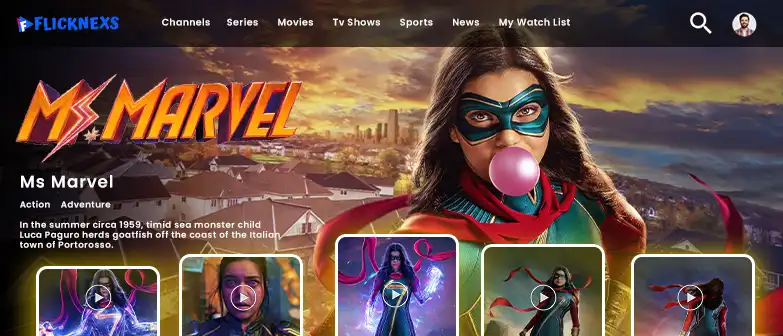
What is an OTT Platform?
An OTT platform is a streaming service that delivers video content directly through the internet, without depending on traditional cable or satellite providers. It allows businesses to stream both on-demand and live video across websites, mobile apps, and smart TVs, while giving them complete control over how they monetize content and manage viewer data.
Introduction
The global shift toward direct-to-consumer streaming has changed how media companies, broadcasters, and enterprises distribute content. In the United States alone, OTT adoption continues to grow as audiences increasingly expect on-demand viewing, personalized recommendations, and access across multiple devices.
Platforms like Netflix, Hulu, and Amazon Prime Video have shown that owning the distribution channel helps businesses generate recurring revenue and build long-term relationships with their audiences.
This complete enterprise guide explains exactly how to create an OTT platform in 2026, covering everything from strategy and technology to monetization and scaling.
Why Enterprises and Broadcasters Are Moving to OTT
Traditional content distribution relies on intermediaries. An owned OTT platform removes these barriers and allows businesses to build direct relationships with their viewers.
Key advantages
- Full ownership of audience data
- Global distribution without cable limitations
- Flexible monetization models
- Faster content publishing
- Personalized viewing experiences
- Recurring subscription revenue
As broadband access and smart TV adoption continue to grow across the U.S., more organizations are choosing to build their own OTT streaming platforms instead of depending on third-party aggregators.
How Much Does It Cost to Build an OTT Platform in the USA?
Cost varies based on scale, device coverage and customization.
| Stage | Typical US Cost | Timeline |
| MVP OTT Platform | $15,000 – $40,000 | 2–4 months |
| Full OTT Platform | $50,000 – $150,000 | 4–8 months |
| Enterprise OTT Ecosystem | $200,000+ | 9–18 months |
Major cost drivers
- Number of applications (web, mobile, and smart TV)
- Streaming infrastructure
- DRM security implementation
- AI-powered recommendation engine
- Custom UI and UX design
- DevOps, maintenance, and scaling
Many enterprises choose OTT platforms as a service to reduce upfront infrastructure costs and speed up their launch timeline.
Why Most OTT Platforms Fail Without Strategy
Many companies focus only on technology when trying to create an OTT platform. In reality, most failures happen because of positioning mistakes rather than technical limitations.
Common failure reasons
- Targeting audiences that are too broad
- Weak or unclear content niche
- Poor content discovery experience
- Underestimating marketing costs
- Lack of a clear retention strategy
Successful platforms grow by owning a specific niche instead of trying to compete with everyone.
OTT Platform Technology Stack (2026)
A scalable OTT ecosystem combines multiple layers.
| Layer | Technologies |
| Frontend | React, React Native, Flutter |
| Backend | Node.js, Python, Django |
| Streaming | HLS, MPEG-DASH |
| CDN | AWS CloudFront, Akamai |
| Security | Multi-DRM, encryption |
| Payments | Stripe, PayPal, Adyen |
Core Infrastructure Components
Encoding & Transcoding
- AWS Elemental MediaConvert
- Bitmovin
- FFmpeg pipelines
Cloud Platforms
- AWS
- Google Cloud
- Microsoft Azure
DRM Providers
- Widevine
- FairPlay
- PlayReady
A properly designed backend prevents buffering, piracy and churn.
Advanced OTT Features for 2026
Future-ready OTT platforms place strong emphasis on personalization and user engagement.
Must-have features
- AI-powered content recommendations
- Voice search for smart TVs
- Offline downloads
- Watch-party streaming
- Multiple audio tracks and subtitles
- Parental controls
- Advanced analytics dashboards
- Continue Watching functionality
- Auto play next episode
Platforms that lack these features often struggle to retain viewers over time.
OTT Monetization Models Explained
| Model | Revenue | Best For |
| SVOD | Subscription | Entertainment libraries |
| AVOD | Ads | Free platforms |
| TVOD | Pay-per-view | Live events |
| Hybrid | Mixed | Growing platforms |
| Sponsorship | Brand deals | Live streaming |
Hybrid monetization is now the dominant strategy among U.S. OTT providers.
White-Label vs Custom OTT Development
| Approach | Pros | Cons | Best For |
| White-Label | Faster launch | Less flexibility | New entrants |
| Custom | Full control | Higher cost | Enterprises |
| Hybrid | Balanced | Moderate complexity | Scaling brands |
Most enterprises start with white-label and evolve toward customization.
How to Create an OTT Platform Step-by-Step
Step 1: Define Audience and Positioning
Before starting development, clearly define:
- Who the platform is built for
- The niche you want to own
- Why viewers should subscribe
Validation methods
- Google Trends demand research
- Landing page signups
- Pilot content releases
- Social audience testing
Step 2: Content Acquisition and Licensing
Content is the main driver of growth for any OTT platform.
Common sources
- Licensing agencies
- Content aggregators
- Independent creators
- Original productions
- Regional exclusives
A hybrid content strategy helps reduce licensing risks while improving differentiation.
Step 3: Build Streaming Infrastructure
Key technical decisions include:
- Transcoding pipeline
- CDN provider selection
- Multi-DRM setup
- Adaptive bitrate streaming
- Multi-region deployment
Poor infrastructure is one of the biggest causes of early user churn.
Step 4: Develop Multi-Device Apps
Recommended priority order for U.S. launches:
- Web platform
- iOS and Android apps
- Android TV and Fire TV
- Apple TV
- Roku
Supporting multiple devices significantly increases subscriber acquisition.
Step 5: Set Up Monetization Systems
Integrate the following:
- Subscription billing
- Free trials
- Coupons and promotions
- Regional pricing
- Tax compliance
- Payment recovery workflows
Hybrid monetization models provide greater revenue flexibility.
Step 6: Implement Analytics and Data Tracking
Track key performance metrics such as:
- Watch time
- Session duration
- Completion rate
- Subscriber churn
- Engagement trends
Commonly used tools
- Google Analytics 4
- Mixpanel
- Amplitude
- Conviva
- Mux Data
Data-driven optimization directly improves customer lifetime value.
Step 7: Branding, Trust, and Security
Enterprise OTT success depends heavily on credibility and user trust.
Best practices
- White-label branding
- Custom UI design
- DRM protection
- Watermarking
- Secure authentication
- Transparent licensing
Step 8: Optimize Player Experience
Retention improves significantly with:
- Continue Watching functionality
- Personalized homepage
- AI recommendations
- Fast player startup
- Smart search
User experience plays a direct role in reducing churn.
Step 9: Launch Marketing and Growth Strategy
Even strong platforms struggle without proper distribution.
High-impact growth channels
- SEO-driven content marketing
- App Store Optimization (ASO)
- Email automation
- Push notifications
- Influencer partnerships
- Community building
Step 10: Post-Launch Scaling and Support
Long-term success requires ongoing improvement:
- Continuous monitoring
- Performance optimization
- Security updates
- Multi-region scaling
- Infrastructure auto-scaling
OTT Market Opportunity
Despite the complexity involved in infrastructure and content licensing, OTT adoption continues to grow rapidly worldwide due to several key factors:
- Increasing broadband penetration
- Expansion of smart TV usage
- Ongoing 5G rollout
- Rising cord-cutting trends
- Growth of the subscription-based economy
Conclusion
Enterprises that move early still have a significant opportunity to capture and dominate niche streaming markets.
Creating an OTT platform today is about more than just technology. You need to know your audience, choose the right content, and make the platform easy and enjoyable to use.
By following the steps from planning and licensing to app development, monetization, and marketing, businesses can build a successful streaming service that attracts and keeps viewers.
A clear strategy helps avoid common mistakes like targeting too broad an audience or underestimating marketing costs.
With the right infrastructure, personalization features, and security, viewers are more likely to stay engaged and return regularly.
Ultimately, a well-planned OTT platform can bring recurring revenue, global reach, and long-term growth for businesses.
Frequently Asked Questions
What are the first steps to create an OTT platform?
Start by defining your target audience, selecting a clear niche, validating market demand, planning your content strategy, and finalizing your monetization model before beginning development.
What technology is required?
An OTT platform typically requires video encoding and transcoding, cloud hosting, CDN delivery, DRM security, backend management systems, and applications that support multiple devices.
Which devices should be supported first?
Most U.S. platforms launch first on web, Android, and iOS, and later expand to smart TV platforms such as Roku, Fire TV, and Apple TV.
How long does OTT development take?
An MVP can usually be launched within 2 to 4 months, while a full enterprise OTT ecosystem may take 9 to 18 months depending on the platform’s complexity.


Leave a Reply