
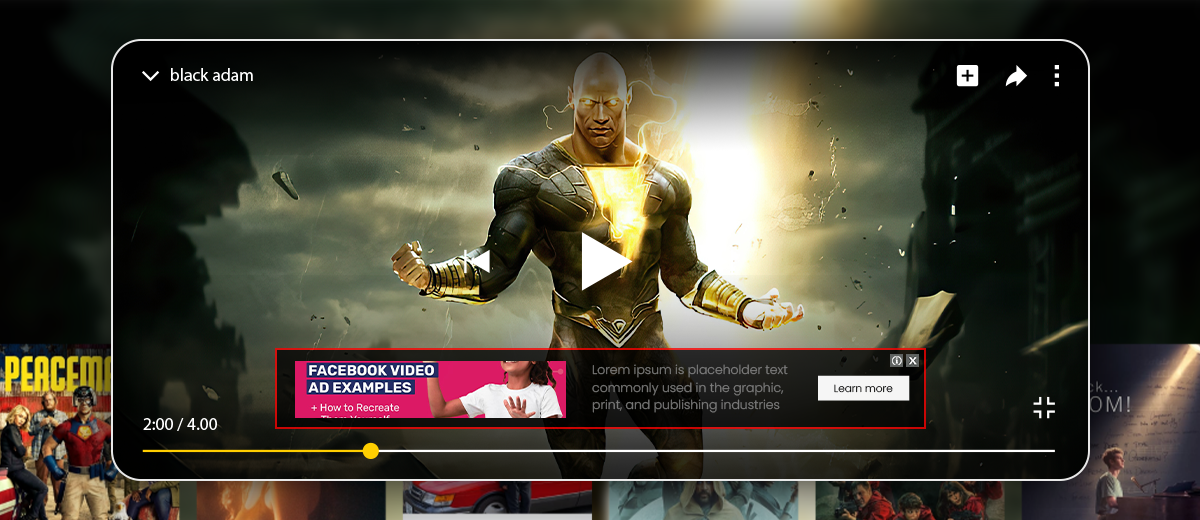
Introduction to AVOD (Ad-Supported Video on Demand)
Within the realm of video streaming, a particular model has gained significant popularity: AVOD, which stands for Ad-Supported Video on Demand. AVOD platforms offer viewers free access to a vast library of content, supported by advertisements. This model allows users to enjoy a wide range of movies, series, and other content without having to pay a subscription fee. The revenue generated by ads enables these platforms to provide free content to their users.
AVOD Platforms – Future of Streaming?
The world of streaming is changing fast, and Advertising Video on Demand (AVOD) is leading the way. AVOD platforms let viewers watch content for free while earning money through ads. This model is growing stronger every day.
Huge Market Potential
The global AVOD market is expanding rapidly. Revenue is expected to grow from $49 billion in 2024 to $63 billion in 2025, and it could reach over $200 billion by 2030. This shows that both advertisers and content providers see AVOD as a major opportunity.
Massive Audience Reach
AVOD will reach 4.1 billion users worldwide in 2025, which is more than half of the global population. In the United States, over 70 percent of viewers are expected to use AVOD services. This means brands can reach huge audiences without needing paid subscriptions.
High Engagement
People are watching more ad-supported content than ever. Viewing hours on major AVOD platforms grew by 43 percent in one year. Platforms like Netflix are earning billions in ad revenue from their ad-supported plans, proving that this model works.
Opportunities for Platforms
AVOD is a strong way to grow both users and revenue. Platforms are also combining subscription and ad-supported options to attract more viewers. Smart TVs and connected devices make it easier to reach audiences directly at home, which advertisers love.
The Time to Act is Now
AVOD is not just growing, it is changing how people watch video and how advertisers spend money. Platforms that adopt AVOD now can reach large audiences, increase revenue, and become leaders in the streaming industry.
Understanding AVOD Platforms
Definition and Key Features
AVOD, or Ad-Supported Video on Demand, refers to a streaming model where viewers can access digital content without paying a subscription fee. Instead, these platforms monetize their services through advertisements. Advertising Video On Demand platforms provide a diverse range of movies, TV shows, and other video content, which users can watch for free in exchange for occasional ad interruptions.
Key features of AVOD platforms include
- Free Access: AVOD platforms offer viewers unrestricted access to a wide array of content without requiring them to pay for a subscription. This free accessibility has made AVOD an attractive choice for those who prefer not to commit to paid streaming services.
- Advertisements: AVOD platforms generate revenue by displaying advertisements during video playback. These ads can take various forms, such as pre-roll ads before the content, mid-roll ads during breaks, or banner ads alongside the video player. Advertisements are carefully integrated to minimize disruption and maintain a balance between user experience and revenue generation.
- Content Variety: AVOD platforms aim to provide a comprehensive selection of content across different genres and categories. Users can find movies, TV shows, documentaries, and even original programming on these platforms, ensuring there is something to cater to everyone’s interests.
Comparison with SVOD (Subscription Video on Demand)
Advertising Video On Demand differs from SVOD (Subscription Video on Demand) in terms of the revenue model and user experience. While AVOD relies on advertisements to generate revenue, SVOD platforms require users to pay a recurring subscription fee in exchange for ad-free access to their content library.
SVOD offers a premium experience with uninterrupted streaming, allowing viewers to enjoy their favorite shows and movies without ad interruptions. On the other hand, AVOD platforms offer free access to content, but users may encounter periodic ad breaks during their viewing experience.
The Role of Advertisements in AVOD
- Advertisements are the primary revenue source for AVOD (Ad-Supported Video On Demand) platforms.
- AVOD platforms offer free content to viewers, funded by ad revenue.
- Advertisers use AVOD platforms to reach large, engaged audiences.
- Platforms use targeting techniques to show ads based on viewer demographics, interests, and viewing habits.
- Ads are strategically integrated to balance revenue generation with a positive user experience.
- Advertisements are placed at appropriate intervals to minimize disruption and maintain engagement.
- Effective ad targeting increases relevance, boosting user engagement and the chances of conversion.
Benefits of AVOD Platforms for Viewers
Free Access to Content
One of the primary benefits of Advertising Video On Demand for viewers is the ability to access a wide range of content without having to pay a subscription fee. AVOD platforms offer a vast library of movies, TV shows, and other video content that can be enjoyed without any monetary commitment. This free access allows users to explore and discover new content without worrying about the cost, making AVOD an appealing choice for budget-conscious individuals.
Variety of Content Options
AVOD platforms strive to provide a diverse selection of content options to cater to various interests and preferences. Users can find an extensive range of genres, including drama, comedy, action, documentaries, and more. This wide variety ensures that there is something for everyone, from classic movies to the latest TV series. With AVOD, viewers have the freedom to explore different genres and discover hidden gems that align with their personal tastes.
Lower Subscription Costs
Compared to subscription-based streaming services, AVOD offers a significant advantage in terms of cost. Instead of paying a monthly or annual subscription fee, viewers can enjoy content for free, supported by advertisements. This significantly lowers the financial burden of accessing quality entertainment. AVOD platforms provide an accessible avenue for individuals who may not want to commit to recurring subscription costs but still want access to a wide range of content.
Flexibility and On-Demand Viewing
Advertising Video On Demand platforms provide viewers with the flexibility to watch their favorite shows and movies at their convenience. Users can stream content on-demand, anytime and anywhere, as long as they have an internet connection. This flexibility allows individuals to fit their viewing habits around their schedule, whether it’s during a lunch break, while commuting, or in the comfort of their own homes. AVOD’s on-demand nature aligns with the fast-paced lifestyle of modern viewers, providing them with control over their entertainment experience.
AVOD Platforms and Providers
AVOD Platforms and Providers
AVOD platforms are services where viewers can watch video content for free while seeing ads. These platforms are growing fast because they give audiences access to content without a subscription and give advertisers a way to reach millions of people.
Top AVOD Platforms:
- YouTube – The world’s largest video platform with billions of users, offering ads on millions of videos.
- Roku – Provides free, ad-supported channels through its Roku Channel.
- Hulu (Ad-Supported Tier) – Offers popular TV shows and movies with ads at a lower price.
- Pluto TV – A free live and on-demand streaming service with ads.
- Peacock Free – NBCUniversal’s free streaming option with movies, shows, and sports content.
- Amazon Freevee – Amazon’s free video service with ads on movies and series.
These platforms are attracting millions of active users every month and generating billions in ad revenue. The AVOD model is proving successful because it benefits both viewers and advertisers while helping platforms grow faster than ever.
Monetization Strategies in AVOD
Advertising Models in AVOD
Advertising Video On Demand platforms rely on various advertising models to monetize their services while providing free content to viewers. Here are some common advertising formats in AVOD:
Pre-Roll Ads
Pre-roll ads are displayed before the start of the video content. They typically have a duration of a few seconds to a minute and are designed to capture viewers’ attention before they delve into their chosen content. Pre-roll ads often come in the form of short commercials, trailers, or promotional messages.
Mid-Roll Ads
Mid-roll ads appear during breaks within the video content, interrupting the viewing experience temporarily. These ads can be inserted at specific intervals or natural pause points in longer videos, such as TV episodes or movies. They aim to maintain a balance between ad exposure and viewer engagement.
Post-Roll Ads
Post-roll ads are displayed after the completion of the main video content. These ads take advantage of the viewer’s attention after they have finished watching a video. Post-roll ads can include call-to-action prompts or suggestions for related content, encouraging viewers to continue exploring the platform.
Overlay Ads
Overlay ads are displayed as transparent banners or pop-up windows overlaid on the video player while the main content is playing. They are typically non-intrusive and do not interrupt the viewing experience significantly. Overlay ads often contain clickable links or additional information related to the advertised product or service.
Targeted Advertising and Personalization
- Data-Driven Targeting: AVOD platforms use user data, behavior, and demographics to deliver relevant advertisements.
- Enhanced Engagement: Targeted ads increase viewer engagement and the likelihood of conversions.
- Improved User Experience: Ads align with individual interests, making the viewing experience more enjoyable.
- Content Personalization: Platforms recommend shows, movies, or genres based on a viewer’s history and interactions.
- Discovery of New Content: Personalized recommendations help viewers find content they are likely to enjoy.
- Overall Experience Enhancement: Both targeted ads and personalized content improve user satisfaction and retention.
Revenue Sharing with Content Creators
- Revenue-Sharing Agreements: AVOD platforms share a portion of ad revenue with content creators.
- Incentivizes Quality Content: Creators are motivated to produce engaging and high-quality content.
- Earnings Linked to Performance: Creator income depends on viewership and ad performance of their content.
- Symbiotic Relationship: Platforms and creators benefit mutually, strengthening collaboration.
- Vibrant Content Ecosystem: Revenue sharing encourages a diverse range of engaging content for viewers.
Challenges and Limitations of AVOD
Platforms must ensure transparency, secure data storage, and give users control over their data.
Ad Fatigue and User Experience:
- Excessive or repetitive ads can frustrate viewers and reduce engagement.
- Ads that disrupt content flow negatively affect perception of the platform.
- Balancing ad frequency, relevance, and user experience is essential.
Limited Content Availability:
- AVOD platforms often rely on licensed content rather than producing originals.
- Limited selection compared to subscription-based services or traditional TV.
- Popular or exclusive content may be unavailable due to paywalls or exclusive deals.
Privacy Concerns and Data Collection:
- Targeted advertising depends on collecting user data.
- Raises concerns about privacy and data security.
AVOD vs. Traditional Television
Changing Landscape of Television Advertising:
- Traditional TV relied on scheduled commercial breaks during live broadcasts.
- AVOD allows viewers to skip or bypass ads, requiring advertisers to adopt creative engagement strategies.
Cord-Cutting and the Shift to AVOD:
- Increasing cord-cutting has led viewers to cancel cable or satellite subscriptions.
- AVOD platforms provide free, on-demand content, attracting viewers away from traditional TV.
Impact on Traditional Advertising Revenue:
- Traditional TV channels face declining viewership and revenue challenges.
- Migration to AVOD disrupts traditional TV advertising revenue models.
- Advertisers are shifting budgets to AVOD platforms to reach audiences who stream online.
AVOD and the Future of Video Streaming
Market Projections and Growth Potential:
- AVOD platforms are expected to experience significant growth in the coming years.
- Increasing demand for free and accessible content drives AVOD adoption.
- High-speed internet and the proliferation of smartphones and connected devices boost AVOD’s reach.
Integration with Smart TVs and Connected Devices:
- Smart TVs offer built-in streaming capabilities for easy access to AVOD apps.
- Connected devices like streaming players and game consoles enhance convenience and user experience.
- Continued technology advancements will further integrate and optimize AVOD platforms for large-screen viewing.
Partnerships and Collaborations:
- Strategic collaborations drive innovation and help platforms adapt to evolving viewer preferences.
- AVOD platforms collaborate with content creators, studios, and media companies to expand offerings.
- Licensing agreements enable access to exclusive content for viewers.
- Partnerships with advertisers allow targeted and relevant ads, benefiting both viewers and brands.
Conclusion
AVOD is changing the way people watch video. It offers free access to movies, shows, and other content while generating revenue through ads. Viewers enjoy flexibility, variety, and cost-free entertainment. Advertisers can reach large and engaged audiences with targeted campaigns.
With growing market potential, smart TV integration, and expanding partnerships, AVOD platforms are set to lead the future of streaming. Platforms that adopt this model now can grow their audience, increase revenue, and stay ahead in the competitive video streaming industry.



Leave a Reply to Sebastian Cancel reply