
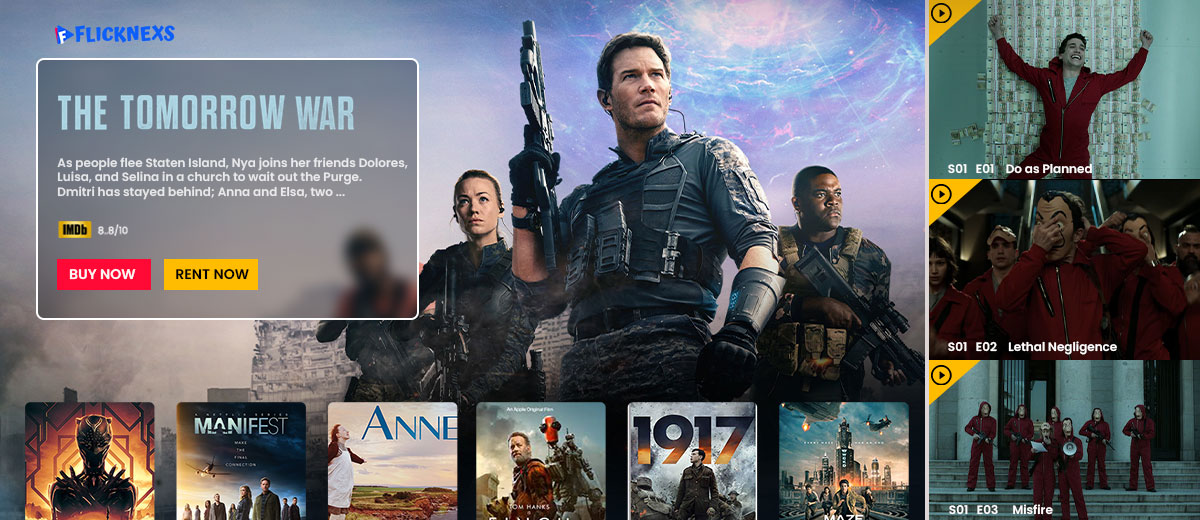
TVOD platforms are becoming a dominant force in the streaming industry. As more viewers search for what is TVOD, transactional video on demand, TVOD examples, and the best app to rent movies, the demand for flexible pay per view streaming continues to grow.
Transactional Video On Demand allows users to rent or purchase individual movies, TV shows, web series, or live events for a one time fee. Unlike subscription streaming services, this model does not require recurring payments. It gives viewers complete control over their entertainment spending while ensuring access to legal streaming platforms.
Interest in pay per view movies, online movie platforms, and watching movies online legally continues to rise, making TVOD one of the most relevant and profitable OTT business models today.
What is TVOD?
TVOD stands for Transactional Video On Demand. It is a digital streaming model where users pay individually for specific content rather than subscribing to an entire content library. A deeper comparison of streaming structures can be understood in VOD vs OTT: Understanding the Differences and Choosing the Right Platform.
Each transaction grants access to a single title either temporarily through rental or permanently through purchase. Unlike subscription services that charge monthly regardless of usage TVOD ensures users only pay for what they actually watch.
TVOD platforms are built around controlled access secure payments and digital rights management which ensures that both the platform and the content owner generate revenue for each transaction while maintaining content protection.
Why TVOD Platforms Are Growing in 2026
Transactional streaming is becoming more popular among viewers and OTT businesses who prefer flexible pay per view content access.
1. Subscription Fatigue
Many viewers subscribe to multiple streaming platforms at the same time. Over time managing several subscriptions becomes expensive and unnecessary especially when users only watch a few titles each month. TVOD platforms solve this issue by eliminating recurring billing.
As audiences become more selective about what they watch transactional access feels more practical and financially efficient. Instead of paying for a full library users pay only for what they truly want.
2. Demand for Premium and Early Releases
Viewers increasingly want to watch new movies online as soon as they are available. TVOD platforms are often used for early access releases and premium digital premieres before content enters subscription catalogs.
This makes TVOD ideal for blockbuster launches exclusive premieres and special releases. Audiences are willing to pay for immediate access when the content has high demand value.
3. Better Revenue Per User
From a business perspective TVOD platforms generate higher revenue per transaction compared to subscription models. Instead of relying only on large subscriber numbers platforms can earn significant revenue from individual rentals and purchases.
This model benefits OTT businesses and content creators who want stronger monetization control and better content valuation.
TVOD vs SVOD vs AVOD: Detailed Comparison
Understanding how TVOD platforms compare to other streaming models clarifies their value. A complete breakdown of these monetization formats is available in AVOD vs SVOD vs TVOD: How to Choose The Right Model?
| Feature | TVOD | SVOD | AVOD |
| Payment Model | Pay per title | Monthly subscription | Free with ads |
| Revenue Source | Direct transaction | Recurring subscription | Advertising |
| User Commitment | None | Ongoing | None |
| Best For | Premium new releases | Series binge watching | Casual free viewing |
| Content Access | Limited per purchase | Full catalog | Full catalog with ads |
TVOD platforms are particularly effective for premium movie releases special events and audiences who prefer flexible payment structures.
Benefits of TVOD Platforms
The benefits of TVOD platforms are easier to understand when you compare them with the overall streaming model explained in 5 Major Benefits of OTT Platform.
For Viewers
TVOD platforms provide complete spending flexibility. Users do not need to commit to monthly subscriptions or pay for content they do not watch. They select a title complete the transaction and access it immediately.
TVOD also ensures access to legal streaming platforms. This reduces the risks associated with piracy while providing high quality playback across devices.
For Content Creators
Content creators benefit from direct monetization. Instead of receiving partial revenue from subscription pools creators can price their content strategically and generate income per transaction.
This approach is especially valuable for independent filmmakers niche producers and premium content distributors who want greater revenue control.
For OTT Businesses
For OTT businesses TVOD platforms increase average revenue per user and reduce dependency on subscription churn. Even if users do not subscribe long term they may return repeatedly for new releases.
The transactional model allows dynamic pricing premium event monetization and regional pricing strategies which improves overall profitability.
How Does a TVOD Platform Work?
Building and managing a TVOD system requires structured development which is explained in How to Build An OTT Platform: Step-By-Step.
Content Licensing and Rights Management
TVOD platforms acquire digital rights from studios and distributors. Licensing agreements define whether content is available for rental purchase or both.
This legal structure ensures compliance while protecting intellectual property.
Video Encoding and Secure Delivery
Once licensed content is encoded for adaptive streaming across different internet speeds and devices. Secure delivery networks ensure stable playback performance.
Digital Rights Management systems protect content from piracy and unauthorized redistribution.
Transaction and Access Flow
The user journey typically follows these steps:
- Browse available movies or series
- Select rental or purchase option
- Complete secure payment
- Gain time based or permanent access
Rental periods usually range from 24 to 72 hours depending on platform policy.
Multi Device Viewing Experience
Modern TVOD platforms support viewing across:
- Smartphones
- Tablets
- Smart TVs
- Web browsers
- Streaming apps for PC
This cross device compatibility ensures a seamless experience regardless of where the viewer chooses to watch.
Types of Content Available on TVOD Platforms
Movies
TVOD platforms are widely used for renting blockbuster films and independent cinema. Users can watch new movies online without waiting for subscription release windows.
This makes TVOD a strong model for high demand film distribution.
TV Shows and Web Series
Users can purchase full seasons or rent individual episodes. This model appeals to viewers who want ownership of specific shows without committing to a full subscription.
It also allows fans to build digital libraries of their favorite series.
Documentaries
TVOD platforms offer educational historical and niche documentary content. Viewers interested in specific topics can access content directly without paying for unrelated programming.
This makes TVOD effective for specialized content categories.
Live Events and Sports
TVOD is ideal for pay per view sports matches concerts and limited time events. Users pay once for access without long term obligations.
Event based transactional access creates urgency and strong revenue opportunities.
Popular TVOD Platforms in the Market
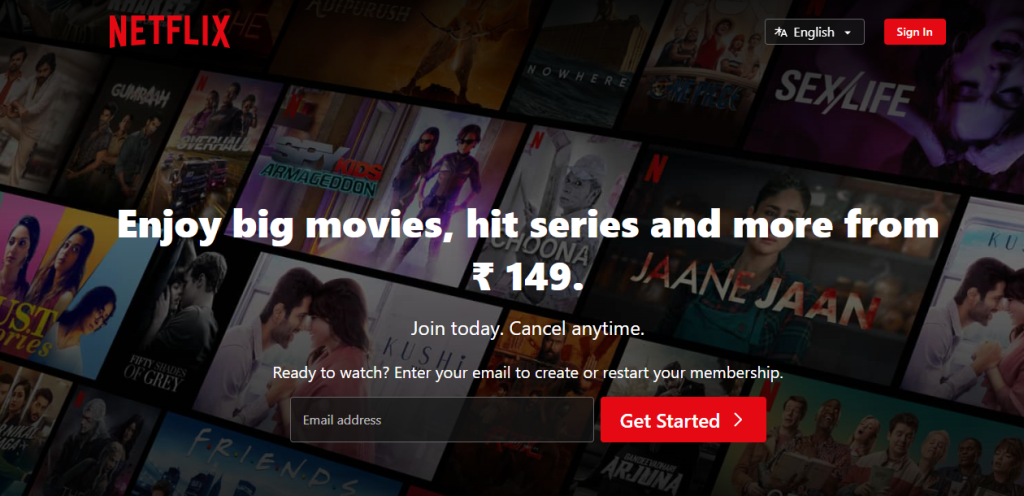
Netflix
It is a leading subscription-based streaming platform available across smart TVs, mobile devices, web browsers and gaming consoles. Users can access a vast library of movies, TV shows, documentaries and original content with a monthly subscription.
Its personalized recommendation engine, multi-device compatibility and high-quality streaming make it a reliable platform for on-demand entertainment worldwide.
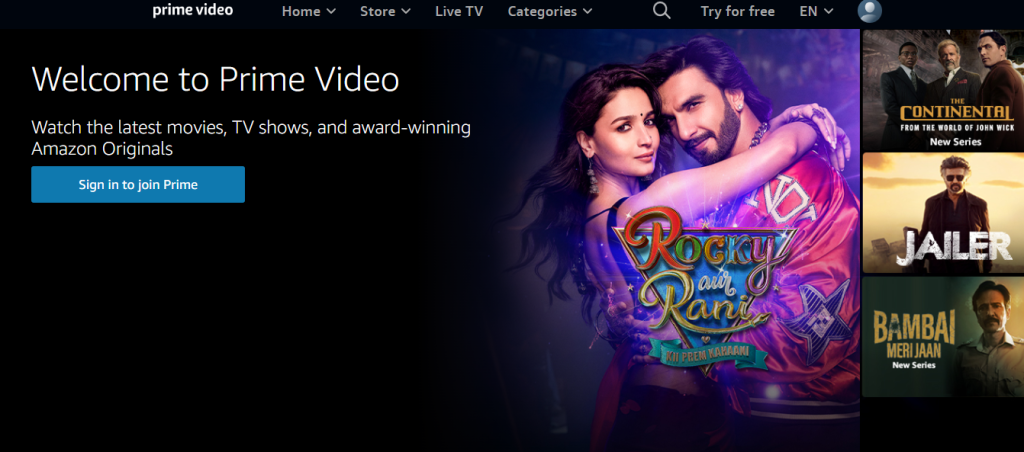
Amazon Prime Video
It offers hybrid streaming that includes both subscription and TVOD options. Users can rent or purchase movies individually without changing subscription plans.
The platform supports multi device viewing and secure payment integration which strengthens its transactional model.
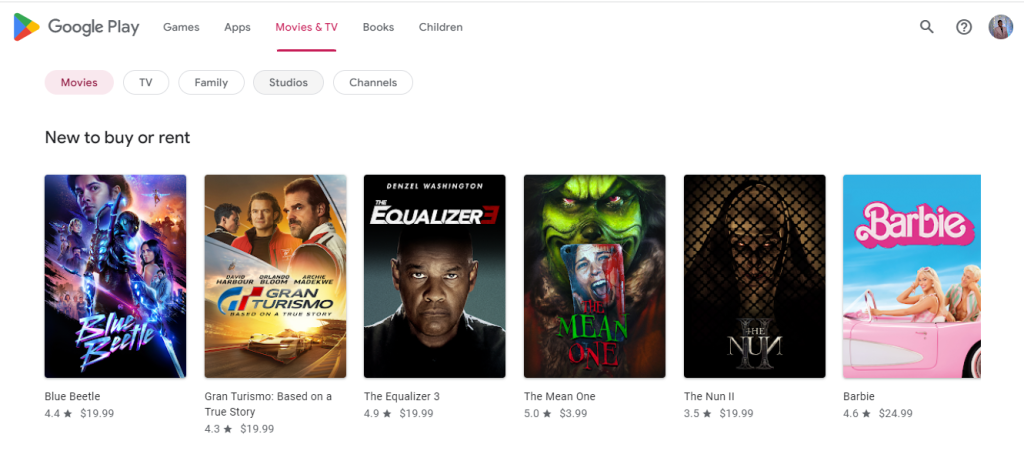
Google Play Movies & TV
It supports transactional streaming across Android devices smart TVs and web browsers. Users can rent or purchase content easily using their Google account.
Its cross device synchronization makes it a reliable TVOD platform for digital ownership and rentals.
How to Monetize Using TVOD Platforms in 2026
TVOD platforms offer a flexible and high performing revenue model by generating income through direct transactions instead of recurring subscriptions. Each rental or purchase creates immediate measurable revenue which makes transactional video on demand scalable and profitable. When structured properly TVOD platforms help OTT businesses maximize revenue per title while maintaining full pricing control.
Monetization through TVOD platforms connects directly with broader revenue strategies explained in How to Earn Money From OTT Platform?
1. Rental Based Revenue Model
The most common monetization method in TVOD platforms is time-based rentals. Users pay a one-time fee to access content for a limited duration usually between 24 and 72 hours.
This model performs strongly for:
- Newly released movies
- Premium digital premieres
- Event based content
- Regional film launches
Rental pricing creates urgency. Viewers who want immediate access are more likely to complete a transaction instead of waiting for subscription availability. Limited access windows also increase conversion speed and revenue frequency.
To optimize rental income:
- Offer SD HD and 4K pricing tiers
- Use premium pricing during launch week
- Provide limited-time offers
- Display countdown access windows
2. Permanent Digital Purchase Model
TVOD platforms also allow users to purchase content permanently. This strategy works well for franchises full season TV series educational content and high demand films.
Digital ownership increases perceived value because users feel they are making a long term investment. Purchase pricing is typically higher than rental pricing which increases revenue per user.
To strengthen this model:
- Bundle complete seasons
- Offer exclusive bonus content
- Provide lifetime access across devices
Permanent purchases improve both revenue margins and customer retention.
3. Early Access Premium Strategy
One of the strongest revenue strategies for TVOD platforms is early access distribution. Instead of placing content directly into subscription libraries platforms release it first as a premium rental or purchase.
This approach:
- Captures peak audience demand
- Maximizes first week revenue
- Builds premium perception
- Increases average transaction value
Audiences are often willing to pay more for immediate access to highly anticipated releases.
4. Event Based Monetization
TVOD platforms are highly effective for monetizing live events such as sports matches concerts award shows and digital premieres.
Event based TVOD creates urgency because access is time sensitive. Users understand the one time value and are more likely to complete the transaction quickly.
Dynamic pricing can also be implemented depending on demand region and event popularity.
5. Tiered Pricing Strategy
Advanced TVOD platforms use tiered pricing to capture different audience segments. Instead of offering a single fixed price platforms provide options based on quality and features.
Examples include:
- Standard definition rental at base price
- High definition rental at mid level price
- 4K rental at premium price
- Extended viewing window for additional cost
Tiered pricing increases revenue potential while keeping entry level options affordable.
6. Regional and Dynamic Pricing
TVOD platforms can adjust pricing based on geography purchasing power and demand. Regional pricing improves adoption in emerging markets while maintaining premium positioning in high income regions.
Dynamic pricing strategies allow platforms to:
- Increase pricing during high demand periods
- Offer promotional pricing during slower periods
- Optimize pricing based on viewing trends
This flexibility gives TVOD platforms a strategic advantage over fixed subscription models.
7. Bundled Transaction Packages
Although TVOD is transactional bundling multiple titles together can significantly increase average order value.
Examples include:
- Weekend movie packs
- Festival themed collections
- Complete season bundles
- Director spotlight packages
Bundling maintains the transactional structure while encouraging larger purchases per user.
8. Hybrid TVOD and Subscription Strategy
Many modern streaming services combine TVOD platforms with subscription access. In this hybrid structure older content remains within subscription while premium new releases stay under transactional pricing.
This approach protects premium revenue while maintaining long term user engagement.
9. Data Driven Monetization Optimization
TVOD platforms can maximize revenue by using analytics to track user behavior. Monitoring genre demand purchase frequency peak transaction times and user retention patterns allows platforms to refine pricing strategies.
Data driven optimization helps increase conversion rates improve average revenue per user and strengthen long term profitability.
Why TVOD Platforms Deliver Strong Revenue Potential
TVOD platforms align with modern viewing behavior where audiences want flexibility control and premium access without long term commitments.
For OTT businesses TVOD platforms provide:
- Higher revenue per transaction
- Full pricing control
- Flexible launch strategies
- Reduced dependency on advertising
- Clear revenue forecasting
For content creators TVOD platforms enable direct monetization stronger content valuation and predictable earnings.
When implemented strategically TVOD platforms become powerful revenue engines that support scalable and sustainable growth in the streaming industry.
Conclusion
Transactional video on demand is transforming how audiences access movies, web series, and live events through a flexible pay per view model. For users searching for what is transactional video on demand or the best app to rent movies, this model offers legal streaming access without subscription commitments.
With strong monetization control, scalable revenue opportunities, and growing demand for online movie platforms, transactional streaming remains one of the most profitable OTT business models today.
Create your own online TV channel & TV app


Leave a Reply