
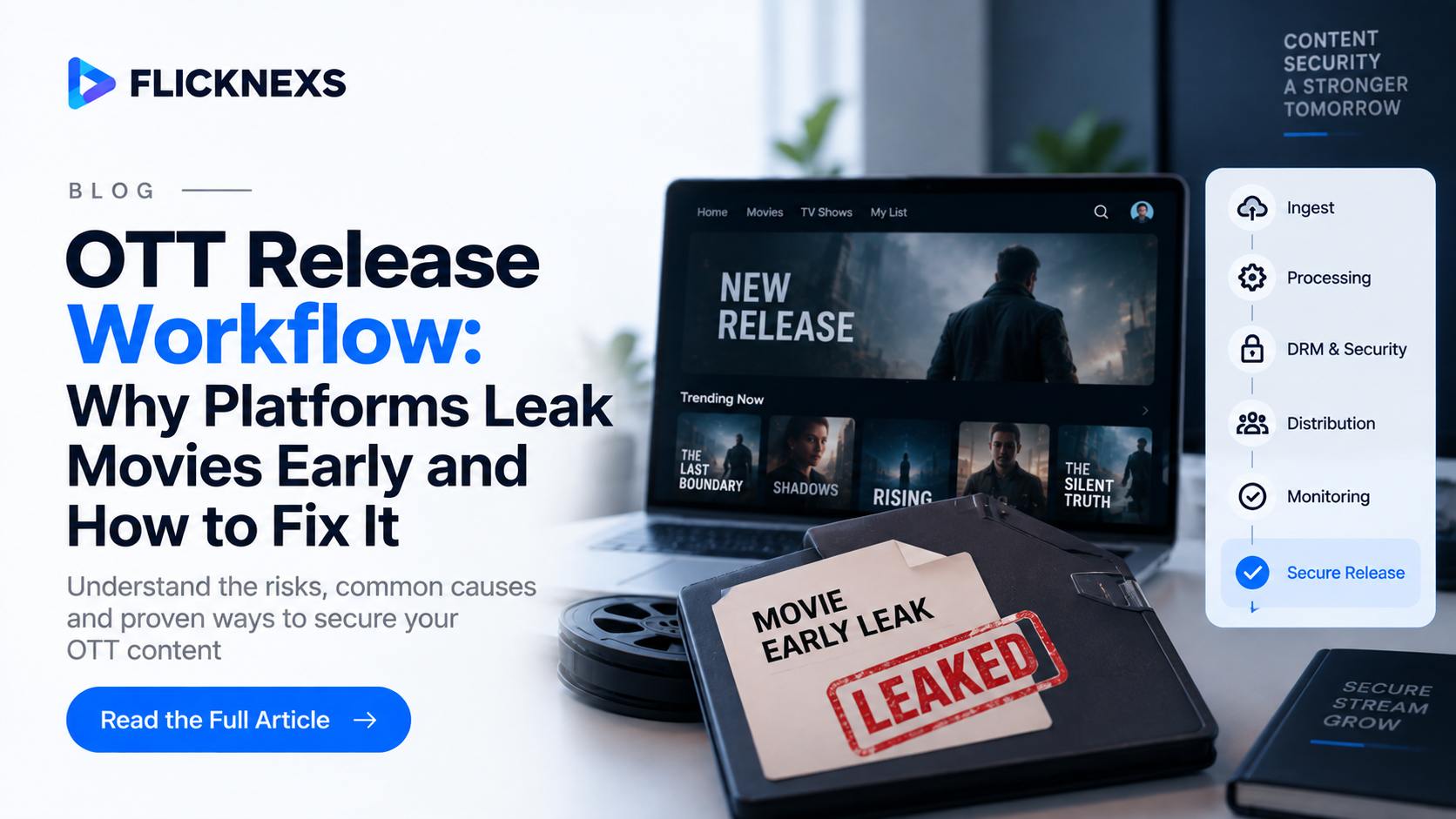
Quick answer: A weak OTT release workflow is the reason premium titles leak before their scheduled date. Most incidents trace back to one design flaw: Upload and Publish are treated as the same system event instead of two separate, gated ones. Fix that separation with role gated publish rights, a geo and time locked scheduler, and an automated approval chain, and early leaks stop being a recurring risk.
Most coverage of a leak incident just reports what happened. This piece maps the pipeline design that prevents it, includes a working DRM token example, and shares the release checklist used directly in Flicknexs platform audits.
What Just Happened With Jason Statham’s Mutiny
In late August 2026, Jason Statham’s action thriller Mutiny briefly appeared on Amazon Prime Video’s US catalog roughly an hour ahead of its scheduled release. It was pulled within the hour and re-listed as unavailable until the correct window opened. Amazon has not published a technical breakdown, and nothing here assumes a specific cause beyond what has been publicly reported. What matters more than the exact trigger is the pattern. This keeps happening across the industry, and it keeps happening for the same structural reason.
This Is Not a New Problem
Premature releases and pre-air leaks have a long history in the streaming and broadcast world. HBO’s distribution partner HBO Nordic accidentally made several Game of Thrones season 7 episodes available for download hours before their scheduled broadcast in 2017, a widely reported incident that forced HBO into public damage control. More recently, clips from Paramount’s upcoming animated feature leaked online ahead of its marketing rollout, reigniting the same conversation about pre-release content security. Neither incident was caused by a single careless employee. Both trace back to systems where content sat in a state that was technically private but practically reachable.
What connects a 2017 broadcast leak to a 2026 streaming leak is that the underlying architecture problem never really got solved industry-wide. Platforms got bigger, catalogs got deeper, and release schedules got more complex across more territories, but the core weakness, treating “uploaded” and “publicly reachable” as one state instead of two, kept getting rebuilt into new systems by teams under launch pressure who never had a reason to think about it until it broke publicly.
What Actually Causes an OTT Platform to Leak Content Early
Strip away the specifics of any one incident and the root cause is almost always the same. A platform’s content management system does not draw a hard line between a file existing in storage and that file being reachable by a viewer. When uploaded and live are effectively one state with a visibility toggle, any misfire in scheduling, caching, or permissions can flip that toggle early. Once it flips, the leak has already happened by the time anyone notices.
- A scheduled job fires against the wrong timestamp or timezone, a more common error than it sounds once a platform serves multiple regions with different local release times
- A CDN cache propagates a region’s content ahead of that region’s release window, because cache invalidation and release scheduling often run on separate clocks maintained by separate teams
- A staging environment shares an access path, subdomain, or authentication layer with production, so a link that should be internal-only resolves publicly the moment someone shares it or a crawler finds it
- A user with more publish permission than their role requires triggers a release manually under deadline pressure, usually while trying to fix an unrelated problem rather than intending to release anything
The Real Cost of an Early Leak
The financial and reputational math on this is not abstract. Industry research from NERA Economic Consulting and the US Chamber’s Global Innovation Policy Center puts US digital video piracy losses at $29.2 to $71 billion annually, a direct measure of what an open distribution window is worth at scale once pirated copies start circulating. A single early release does not need to reach that scale to hurt. It only needs enough time for one screen recording to leave the platform.
- Piracy exposure starts the moment content is reachable, not the moment it is officially released. Ripping tools work in minutes, and a single upload to a torrent tracker or piracy site is enough to make a leak permanent regardless of how quickly the original file is pulled.
- Coordinated press embargoes and marketing pushes are built around one launch moment, with reviews, social pushes, and paid media all timed to land together. An early leak fractures that moment before the real campaign even starts, and there is no way to re-run day one.
- Distribution and licensing agreements typically lock content to specific windows by territory and platform, often tied to theatrical exclusivity or regional distributor rights. Publishing outside that window can expose a platform to contractual breach claims from studios or rights holders, independent of any piracy losses.
- Audience trust erodes fast once viewers realize paid content is reachable for free, especially on platforms that market themselves on exclusivity or premium access. That perception damage tends to outlast the technical fix by a wide margin.
The OTT Release Workflow as a Gated State Machine
The fix is not “be more careful.” It is designing a pipeline where each stage has to clear a specific check before the next stage can even start, so a mistake at one stage cannot physically push content live.
Upload (private) -> Quality Check -> Rights and DRM -> Territory Rules -> Pricing Lock -> Scheduled Trigger -> Senior Approval -> Live |
Every arrow in that chain should write an entry to an audit log automatically. If content ever does go live outside its intended window, the platform can reconstruct exactly which stage failed instead of guessing after the fact, which is the difference between a five-minute root cause review and a week of speculation involving legal, PR, and engineering all trying to piece together what happened from partial logs.
| Stage | What It Locks Down | Failure It Prevents |
|---|---|---|
| Upload | Private storage, no public path | Early indexing or CDN pickup |
| Quality Check | Automated transcode and QA pass | Broken audio or video going live |
| Rights and DRM | Encryption keys, expiring tokens | Playback if a file does leak |
| Territory Rules | Region and timezone matrix | Wrong country availability |
| Pricing Lock | SVOD, AVOD, or PPV config frozen | Accidental free access |
| Scheduled Trigger | Event driven release, no manual click | Human “publish now” mistakes |
| Senior Approval | Role gated sign-off | Junior level release authority |
| Live | Atomic, single step publish | Partial or inconsistent go-live state |
Old Workflow vs Gated Workflow
| Old Approach | Gated Approach |
|---|---|
| Upload and publish are the same action with a visibility flag | Upload and publish are separate system states, each with its own gate |
| Any editor with CMS access can trigger a release | Only a Senior Approver role can move content to live |
| Release timing relies on someone remembering the correct date and timezone | Release timing is enforced by an event driven scheduler tied to the system clock |
| Staging and production share infrastructure or access paths | Staging and production are isolated, with no public path between them |
| No record of who published what or when | Every release event writes to an immutable audit log automatically |
Why Territory and Time Zone Rules Deserve Their Own Layer
Most global titles do not release everywhere at once. A film might open in the US on one date, the UK a week later, and India a month after that, sometimes for theatrical exclusivity reasons and sometimes for licensing reasons tied to a local distributor. A release matrix like the one below shows how that gets enforced at the system level rather than left to a person remembering the right date for each market.
| Territory | Release Start | Access Level |
|---|---|---|
| United States | 21 Aug 2026, 00:00 ET | Premium |
| United Kingdom | 1 Sep 2026, 00:00 GMT | Premium |
| Australia | 28 Aug 2026, 00:00 AEST | Premium |
| India | 10 Oct 2026, 00:00 IST | Coming Soon |
The release start in each row is enforced by the system clock, not by a person clicking a button at the right moment across four time zones. That single design choice removes the most common point of failure in multi territory rollouts, and it scales cleanly whether a platform is managing four territories or forty.
Who Should Actually Be Allowed to Hit Publish
As few people as possible. Every additional person with publish authority is another chance for a rule to be skipped under deadline pressure, and in our own platform audits, the incidents that do slip through almost always trace back to publish access being broader than it needed to be.
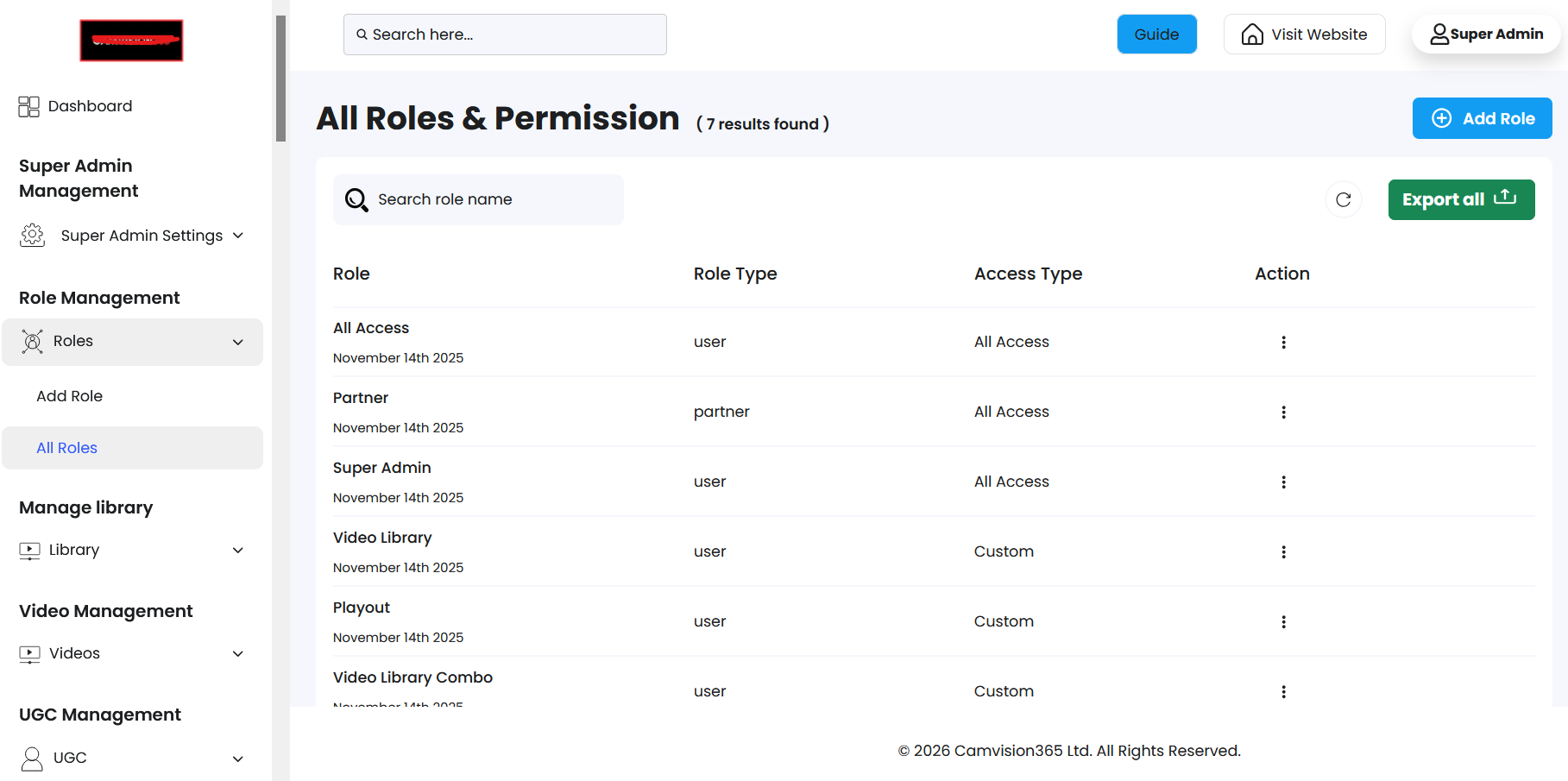
- Content Editor: uploads, metadata, subtitles, thumbnails. No publish rights.
- Content Manager: pricing, geo restrictions, scheduling configuration. No publish rights.
- Technical Reviewer: QA, DRM, and security checks. No publish rights.
- Senior Approver: the only role that can move content to live, and the role every audit log entry for a release should trace back to.
- Auditor: read only access to the log, compiles compliance reports for legal and distribution partners.
An 8 Point Pre-Release Checklist
This is the checklist format used directly in Flicknexs platform reviews. Every item needs a pass before a title clears for release, and any single failure holds the entire release rather than letting a team push through with a partial pass.
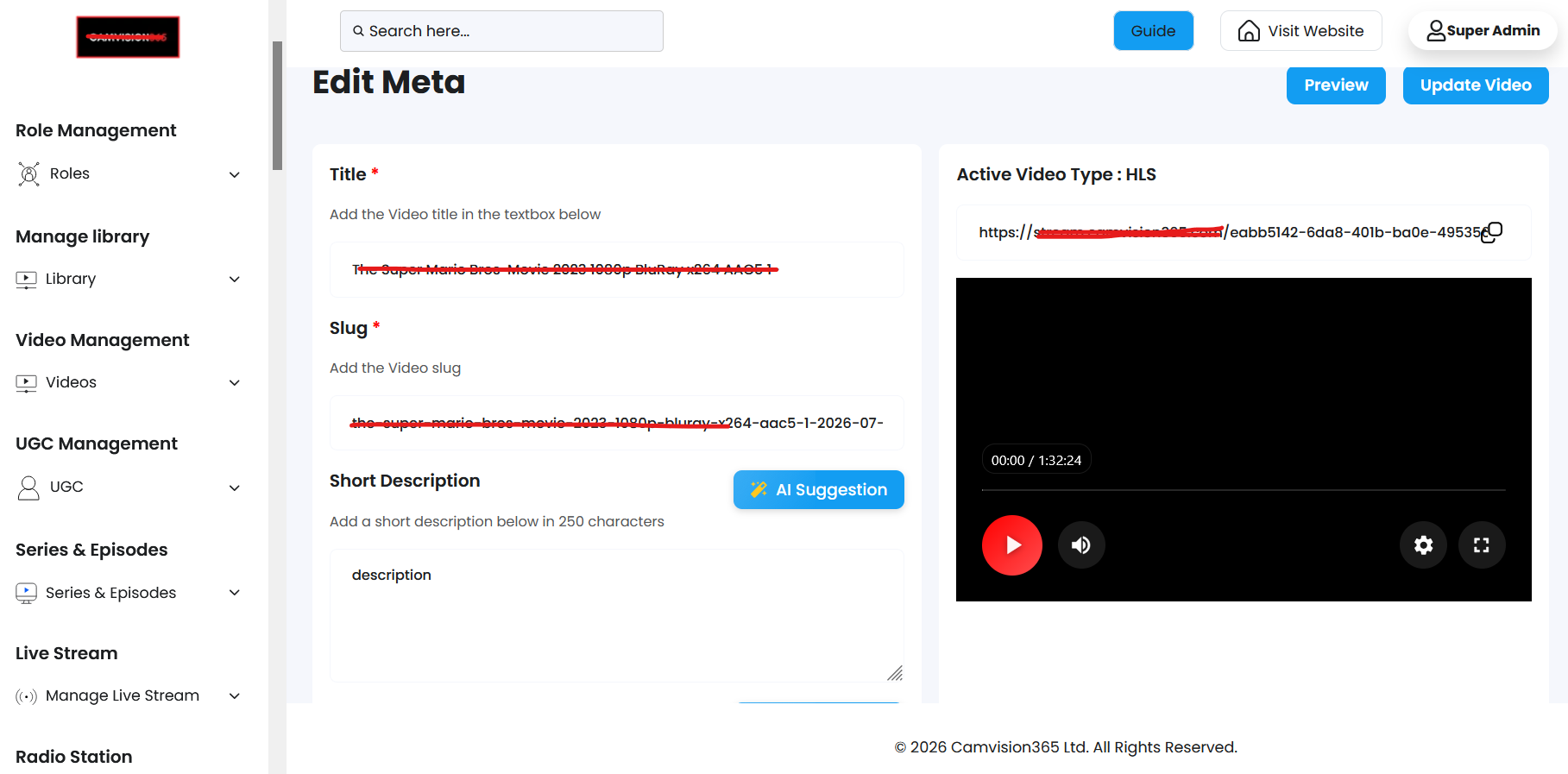
| # | Check | Owner | Passes When |
|---|---|---|---|
| 1 | Release date and time | Content Manager | Correct date and timezone confirmed |
| 2 | Geo availability | Content Manager | Territories listed, zero conflicts |
| 3 | Monetization config | Content Manager | Correct pricing model applied |
| 4 | DRM setup | Technical Reviewer | Tokens auto expire, keys rotate |
| 5 | QA pass | Technical Reviewer | Zero errors in the transcode log |
| 6 | Security audit | Auditor | No leaked keys, sequential audit trail |
| 7 | Approval | Senior Approver | Signed off, nothing pending |
| 8 | Release trigger | Scheduler | Event based, never manual |
All eight have to pass. One failure holds the entire release. There is no partial go-live, and that rule alone eliminates most of the improvisation that leads to early publishing under deadline pressure.
A Token Layer Protects You Even If a File Does Leak
Even with a clean pipeline, defense in depth matters, because no pipeline is perfect and a compromised credential or a misdirected link can still happen. A short lived access token tied to the specific viewer and the specific asset means a leaked file still cannot be played back without valid authorization.
import crypto from 'crypto';

export function createAccessToken(videoId, userId, expiresAt) {

  const payload = { vid: videoId, uid: userId, exp: expiresAt.getTime() };

  const secret = process.env.DRM_SECRET;

  return crypto.createHmac('sha512', secret)

                .update(JSON.stringify(payload))

                .digest('hex');

}
|
The token embeds the viewer, the asset, and an expiry timestamp, then signs the payload with HMAC-SHA512 so it cannot be forged without the server side secret. A player checks this token before every segment request. If the token has expired or does not match the requested asset, playback fails regardless of how the viewer got the file in the first place. This means even a worst case scenario, a file physically leaving the platform, does not automatically translate into a watchable copy.
Walking Through a Clean Release
Take a hypothetical title, Blitz, scheduled to go live across four territories on a fixed date. The file uploads into private storage first, with nothing public yet. Metadata, poster art, and subtitles get attached while the record sits in draft status. Territory and pricing rules get configured against the full release matrix covering the US, UK, Australia, and a delayed India window. DRM and access tokens get enabled before anything else happens, so protection is in place well before the content is anywhere near public.
A technical reviewer runs the QA script against the transcoded files and confirms a clean pass. An auditor checks the log for irregularities in who touched the record and when. Only after both of those steps does a senior approver sign off, and even after that sign-off, nothing goes live manually. An event scheduled trigger fires at the exact configured timestamp, and the platform flips every approved territory to live in a single atomic action. Every other territory keeps showing “Coming Soon” until its own window opens on its own schedule, with no manual intervention required anywhere in the final step.
Mistakes We See Most Often in Platform Audits
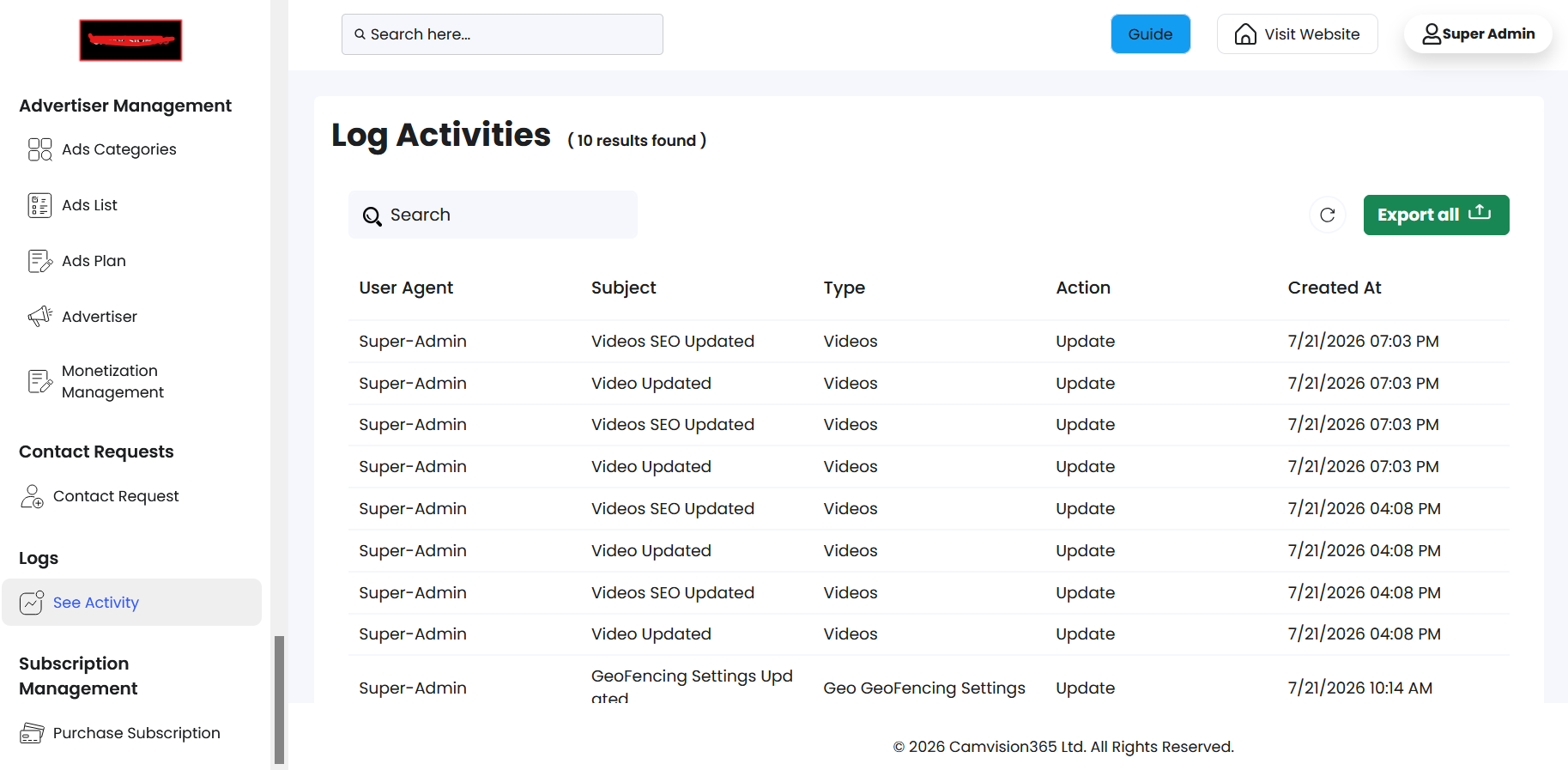
Across release pipeline reviews, the same handful of gaps show up on platforms that have experienced an early release incident, regardless of their size or catalog depth.
- Staging content reachable through the same domain or subdomain as production, discovered only after a search engine indexes it and someone finds it through an ordinary search
- Publish permission granted broadly “to unblock the team” during a launch crunch and never revoked afterward, so the temporary fix becomes a permanent security gap
- Scheduled releases configured in local time without accounting for the server’s actual timezone setting, which silently shifts a release by hours in either direction
- No alerting when a scheduled trigger fails silently, so a missed release looks identical to a successful one until someone checks manually, often after a customer complaint
- DRM treated as optional for smaller titles, which is exactly the category most likely to be deprioritized during a security review and therefore most exposed
Why This Matters More as Platforms Scale
A platform with ten titles and one market can get away with manual release discipline for a while, because there are few enough moving parts that one person can hold the whole schedule in their head. That stops being true almost immediately once a catalog grows past a few hundred titles across multiple territories, price tiers, and licensing windows. At that scale, manual discipline is not a control, it is a hope. The number of ways a release can go wrong grows roughly with the number of territories multiplied by the number of titles multiplied by the number of people with publish access, and none of those numbers move in a platform’s favor as it grows. The platforms most likely to leak content early are not small, careless operations. They are mid-size platforms that built their release process for a smaller catalog and never revisited it as complexity increased.
Implementation Roadmap for Platform Teams
Retrofitting a gated release pipeline onto an existing platform does not have to happen all at once. A phased approach reduces risk during the transition itself.
- Week 1, audit current state: map every path that currently leads from upload to public visibility, including any manual steps, shared credentials, or staging environments with unclear access boundaries.
- Week 2, separate publish authority: restrict the live-publish action to a single role before touching anything else. This is the highest impact, lowest effort change and should happen first.
- Week 3, isolate staging: move staging content onto infrastructure with no shared access path to production, and confirm with an outside test that staging URLs are genuinely unreachable.
- Week 4, add the scheduler and audit log: replace manual release triggers with an event driven scheduler, and make sure every state change writes an entry to an immutable log automatically rather than relying on someone remembering to note it.
None of these steps require a full platform rebuild. Most release pipeline failures come from a small number of missing controls, not a fundamentally broken architecture, which is part of why they are so consistently fixable once a team decides to prioritize it.
What Compliance and Legal Teams Should Ask For
Engineering and content operations usually own the release pipeline day to day, but legal and compliance teams have a direct stake in whether it holds up. A distribution agreement that specifies a release window is only as strong as the technical system enforcing it, and an early release incident turns a paper commitment into an active breach the moment it happens. Compliance teams should be asking for the same audit log that engineering already has, not a separate summary compiled after the fact, because a summary can be shaped by whoever is writing it while a raw log cannot. They should also confirm that the platform’s DRM and token expiry settings match what was actually negotiated in the distribution agreement, since a platform can have DRM enabled in principle while still running configuration that does not match the contractual terms for a specific title or territory. Building this review into the pre-release checklist, rather than treating it as a separate legal sign-off outside the technical pipeline, closes a gap that shows up repeatedly in post-incident reviews: the technical team believed the release was compliant, and no one had actually checked.
Common Objections From Platform Teams
Two objections come up in nearly every conversation about tightening a release pipeline, and both are worth addressing directly rather than dismissing.
The first is that a gated pipeline slows the team down, especially during a launch week when everyone is already under pressure to move fast. In practice, the opposite tends to be true once a system is in place. A manual process feels faster in the moment because there is no visible checkpoint, but that speed comes from skipping verification, not from the process itself being efficient. An automated gate that runs a QA script and checks eight items in a checklist takes minutes. A human trying to remember the same eight items under deadline pressure, across multiple territories and a monetization config, takes longer and is far more likely to miss something. The platforms that have gone through an early release incident consistently report that the incident itself, including the internal investigation, the partner conversations, and the public response, cost far more time than the pipeline changes that followed it.
The second objection is that a small platform with a small catalog does not need this level of control yet. That may be true for a platform with a handful of titles and no premium or exclusive content. It stops being true the moment a platform signs its first distribution agreement with a release-window clause, or the first time a title carries enough production budget that a leak would be genuinely expensive. Waiting for an incident before building the control is a common pattern, and it is also the more expensive way to learn the lesson. Building the gate early, even in a simple form covering just the highest-risk step of publish authority, costs a fraction of what a single incident costs in piracy exposure, partner trust, and internal cleanup.
Key Takeaways
- Early releases are a pipeline design failure, not a one-off human mistake
- Separating Upload from Publish as distinct system states closes most of the risk
- Publish authority should sit with as few people as possible
- DRM tokens protect you even if a file does escape the pipeline
- An immutable audit log turns “what happened” into a five-minute lookup instead of a guessing game
- The fix is usually a handful of missing controls, not a full platform rebuild
Frequently Asked Questions
What is the real difference between Upload and Publish in an OTT release workflow?
Upload puts a file into private, non-public storage. Publish is a separate, gated action that exposes that file to the CDN. They should never be the same click.
How do you test geo restrictions before a release window opens?
Run a geo-preview simulation that mimics a viewer’s IP by territory and shows exactly what that region would see, without exposing the real asset to anyone.
Can a platform run free preview clips without exposing the full title?
Yes. Teaser clips should live in a separate storage bucket with their own access rules, fully isolated from the full length file.
What should happen if a scheduled release fails to fire?
The system should fail closed. Alert the operations team immediately, log the failure, and leave the content unpublished by default rather than defaulting to live.
Does every title need DRM protection?
It is strongly worth it for any high budget title or any title releasing across multiple territories at once, where the cost of a leak is highest.
Who should hold publish authority on an OTT platform?
One senior, accountable role, not a whole content team. Fewer hands on the publish trigger means fewer chances for a manual error.
How Flicknexs Approaches the OTT Release Workflow
Flicknexs builds OTT and streaming platforms where Upload and Publish are enforced as separate system states, publish authority is role gated to a single approver tier, and every release event writes to an immutable audit log. If your current platform cannot answer “who published this, and when” in under a minute, that is the gap worth closing first.
Explore the Flicknexs OTT platform , or book a demo to see the release control workflow in action.
Sources
Ready to build?
If you’re planning your next OTT project, Flicknexs handles the video infrastructure end-to-end — so you can ship in weeks, not months.
- start streaming with Flicknexs
- see Flicknexs pricing
More OTT platform guides
Continue exploring more on this topic across the Flicknexs blog.
- The definitive guide: How to Start OTT Platform in 2026
- 5 Steps To Sell Online Videos With OTT Solution In 2023
- How to Build an OTT Platform: Step-by-Step Guide (2026)
- 5 Major Benefits of OTT Platform
Ready to build?
If you’re planning your next OTT project, Flicknexs handles the video infrastructure end-to-end — so you can ship in weeks, not months.
- start streaming with Flicknexs
- see Flicknexs pricing
More OTT platform guides
Continue exploring more on this topic across the Flicknexs blog.
- The definitive guide: How to Start OTT Platform in 2026
- 5 Steps To Sell Online Videos With OTT Solution In 2023
- How to Build an OTT Platform: Step-by-Step Guide (2026)
- 5 Major Benefits of OTT Platform
Ready to build?
If you’re planning your next OTT project, Flicknexs handles the video infrastructure end-to-end — so you can ship in weeks, not months.
- start streaming with Flicknexs
- see Flicknexs pricing
More OTT platform guides
Continue exploring more on this topic across the Flicknexs blog.
- The definitive guide: How to Start OTT Platform in 2026
- 5 Steps To Sell Online Videos With OTT Solution In 2023
- How to Build an OTT Platform: Step-by-Step Guide (2026)
- 5 Major Benefits of OTT Platform
Ready to build?
If you’re planning your next OTT project, Flicknexs handles the video infrastructure end-to-end — so you can ship in weeks, not months.
- start streaming with Flicknexs
- see Flicknexs pricing
More OTT platform guides
Continue exploring more on this topic across the Flicknexs blog.
- The definitive guide: How to Start OTT Platform in 2026
- 5 Steps To Sell Online Videos With OTT Solution In 2023
- How to Build an OTT Platform: Step-by-Step Guide (2026)
- 5 Major Benefits of OTT Platform
Ready to build?
If you’re planning your next OTT project, Flicknexs handles the video infrastructure end-to-end — so you can ship in weeks, not months.
- start streaming with Flicknexs
- see Flicknexs pricing
More OTT platform guides
Continue exploring more on this topic across the Flicknexs blog.
- The definitive guide: How to Start OTT Platform in 2026
- 5 Steps To Sell Online Videos With OTT Solution In 2023
- How to Build an OTT Platform: Step-by-Step Guide (2026)
- 5 Major Benefits of OTT Platform
Ready to build?
If you’re planning your next OTT project, Flicknexs handles the video infrastructure end-to-end — so you can ship in weeks, not months.
- start streaming with Flicknexs
- see Flicknexs pricing
More OTT platform guides
Continue exploring more on this topic across the Flicknexs blog.
- The definitive guide: How to Start OTT Platform in 2026
- 5 Steps To Sell Online Videos With OTT Solution In 2023
- How to Build an OTT Platform: Step-by-Step Guide (2026)
- 5 Major Benefits of OTT Platform
Ready to build?
If you’re planning your next OTT project, Flicknexs handles the video infrastructure end-to-end — so you can ship in weeks, not months.
- start streaming with Flicknexs
- see Flicknexs pricing
More OTT platform guides
Continue exploring more on this topic across the Flicknexs blog.
- The definitive guide: How to Start OTT Platform in 2026
- 5 Steps To Sell Online Videos With OTT Solution In 2023
- How to Build an OTT Platform: Step-by-Step Guide (2026)
- 5 Major Benefits of OTT Platform
Ready to build?
If you’re planning your next OTT project, Flicknexs handles the video infrastructure end-to-end — so you can ship in weeks, not months.
- start streaming with Flicknexs
- see Flicknexs pricing
More OTT platform guides
Continue exploring more on this topic across the Flicknexs blog.
- The definitive guide: How to Start OTT Platform in 2026
- 5 Steps To Sell Online Videos With OTT Solution In 2023
- How to Build an OTT Platform: Step-by-Step Guide (2026)
- 5 Major Benefits of OTT Platform
Ready to build?
If you’re planning your next OTT project, Flicknexs handles the video infrastructure end-to-end — so you can ship in weeks, not months.
- start streaming with Flicknexs
- see Flicknexs pricing
More OTT platform guides
Continue exploring more on this topic across the Flicknexs blog.
- The definitive guide: How to Start OTT Platform in 2026
- 5 Steps To Sell Online Videos With OTT Solution In 2023
- How to Build an OTT Platform: Step-by-Step Guide (2026)
- 5 Major Benefits of OTT Platform
Ready to build?
If you’re planning your next OTT project, Flicknexs handles the video infrastructure end-to-end — so you can ship in weeks, not months.
- start streaming with Flicknexs
- see Flicknexs pricing
More OTT platform guides
Continue exploring more on this topic across the Flicknexs blog.
- The definitive guide: How to Start OTT Platform in 2026
- 5 Steps To Sell Online Videos With OTT Solution In 2023
- How to Build an OTT Platform: Step-by-Step Guide (2026)
- 5 Major Benefits of OTT Platform
Ready to build?
If you’re planning your next OTT project, Flicknexs handles the video infrastructure end-to-end — so you can ship in weeks, not months.
- start streaming with Flicknexs
- see Flicknexs pricing
More OTT platform guides
Continue exploring more on this topic across the Flicknexs blog.
- The definitive guide: How to Start OTT Platform in 2026
- 5 Steps To Sell Online Videos With OTT Solution In 2023
- How to Build an OTT Platform: Step-by-Step Guide (2026)
- 5 Major Benefits of OTT Platform
Ready to build?
If you’re planning your next OTT project, Flicknexs handles the video infrastructure end-to-end — so you can ship in weeks, not months.
- start streaming with Flicknexs
- see Flicknexs pricing
More OTT platform guides
Continue exploring more on this topic across the Flicknexs blog.
- The definitive guide: How to Start OTT Platform in 2026
- 5 Steps To Sell Online Videos With OTT Solution In 2023
- How to Build an OTT Platform: Step-by-Step Guide (2026)
- 5 Major Benefits of OTT Platform
Ready to build?
If you’re planning your next OTT project, Flicknexs handles the video infrastructure end-to-end — so you can ship in weeks, not months.
- start streaming with Flicknexs
- see Flicknexs pricing
More OTT platform guides
Continue exploring more on this topic across the Flicknexs blog.
- The definitive guide: How to Start OTT Platform in 2026
- 5 Steps To Sell Online Videos With OTT Solution In 2023
- How to Build an OTT Platform: Step-by-Step Guide (2026)
- 5 Major Benefits of OTT Platform
Ready to build?
If you’re planning your next OTT project, Flicknexs handles the video infrastructure end-to-end — so you can ship in weeks, not months.
- start streaming with Flicknexs
- see Flicknexs pricing
More OTT platform guides
Continue exploring more on this topic across the Flicknexs blog.
- The definitive guide: How to Start OTT Platform in 2026
- 5 Steps To Sell Online Videos With OTT Solution In 2023
- How to Build an OTT Platform: Step-by-Step Guide (2026)
- 5 Major Benefits of OTT Platform
Ready to build?
If you’re planning your next OTT project, Flicknexs handles the video infrastructure end-to-end — so you can ship in weeks, not months.
- start streaming with Flicknexs
- see Flicknexs pricing
More OTT platform guides
Continue exploring more on this topic across the Flicknexs blog.
- The definitive guide: How to Start OTT Platform in 2026
- 5 Steps To Sell Online Videos With OTT Solution In 2023
- How to Build an OTT Platform: Step-by-Step Guide (2026)
- 5 Major Benefits of OTT Platform
Ready to build?
If you’re planning your next OTT project, Flicknexs handles the video infrastructure end-to-end — so you can ship in weeks, not months.
- start streaming with Flicknexs
- see Flicknexs pricing
More OTT platform guides
Continue exploring more on this topic across the Flicknexs blog.
- The definitive guide: How to Start OTT Platform in 2026
- 5 Steps To Sell Online Videos With OTT Solution In 2023
- How to Build an OTT Platform: Step-by-Step Guide (2026)
- 5 Major Benefits of OTT Platform
Ready to build?
If you’re planning your next OTT project, Flicknexs handles the video infrastructure end-to-end — so you can ship in weeks, not months.
- start streaming with Flicknexs
- see Flicknexs pricing
More OTT platform guides
Continue exploring more on this topic across the Flicknexs blog.
- The definitive guide: How to Start OTT Platform in 2026
- 5 Steps To Sell Online Videos With OTT Solution In 2023
- How to Build an OTT Platform: Step-by-Step Guide (2026)
- 5 Major Benefits of OTT Platform
Ready to build?
If you’re planning your next OTT project, Flicknexs handles the video infrastructure end-to-end — so you can ship in weeks, not months.
- start streaming with Flicknexs
- see Flicknexs pricing
More OTT platform guides
Continue exploring more on this topic across the Flicknexs blog.
- The definitive guide: How to Start OTT Platform in 2026
- 5 Steps To Sell Online Videos With OTT Solution In 2023
- How to Build an OTT Platform: Step-by-Step Guide (2026)
- 5 Major Benefits of OTT Platform
Ready to build?
If you’re planning your next OTT project, Flicknexs handles the video infrastructure end-to-end — so you can ship in weeks, not months.
- start streaming with Flicknexs
- see Flicknexs pricing
More OTT platform guides
Continue exploring more on this topic across the Flicknexs blog.
- The definitive guide: How to Start OTT Platform in 2026
- 5 Steps To Sell Online Videos With OTT Solution In 2023
- How to Build an OTT Platform: Step-by-Step Guide (2026)
- 5 Major Benefits of OTT Platform
Ready to build?
If you’re planning your next OTT project, Flicknexs handles the video infrastructure end-to-end — so you can ship in weeks, not months.
- start streaming with Flicknexs
- see Flicknexs pricing
More OTT platform guides
Continue exploring more on this topic across the Flicknexs blog.
- The definitive guide: How to Start OTT Platform in 2026
- 5 Steps To Sell Online Videos With OTT Solution In 2023
- How to Build an OTT Platform: Step-by-Step Guide (2026)
- 5 Major Benefits of OTT Platform
Ready to build?
If you’re planning your next OTT project, Flicknexs handles the video infrastructure end-to-end — so you can ship in weeks, not months.
- start streaming with Flicknexs
- see Flicknexs pricing
More OTT platform guides
Continue exploring more on this topic across the Flicknexs blog.
- The definitive guide: How to Start OTT Platform in 2026
- 5 Steps To Sell Online Videos With OTT Solution In 2023
- How to Build an OTT Platform: Step-by-Step Guide (2026)
- 5 Major Benefits of OTT Platform
Ready to build?
If you’re planning your next OTT project, Flicknexs handles the video infrastructure end-to-end — so you can ship in weeks, not months.
- start streaming with Flicknexs
- see Flicknexs pricing
More OTT platform guides
Continue exploring more on this topic across the Flicknexs blog.
- The definitive guide: How to Start OTT Platform in 2026
- 5 Steps To Sell Online Videos With OTT Solution In 2023
- How to Build an OTT Platform: Step-by-Step Guide (2026)
- 5 Major Benefits of OTT Platform
Ready to build?
If you’re planning your next OTT project, Flicknexs handles the video infrastructure end-to-end — so you can ship in weeks, not months.
- start streaming with Flicknexs
- see Flicknexs pricing
More OTT platform guides
Continue exploring more on this topic across the Flicknexs blog.
- The definitive guide: How to Start OTT Platform in 2026
- 5 Steps To Sell Online Videos With OTT Solution In 2023
- How to Build an OTT Platform: Step-by-Step Guide (2026)
- 5 Major Benefits of OTT Platform
Ready to build?
If you’re planning your next OTT project, Flicknexs handles the video infrastructure end-to-end — so you can ship in weeks, not months.
- start streaming with Flicknexs
- see Flicknexs pricing
More OTT platform guides
Continue exploring more on this topic across the Flicknexs blog.
- The definitive guide: How to Start OTT Platform in 2026
- 5 Steps To Sell Online Videos With OTT Solution In 2023
- How to Build an OTT Platform: Step-by-Step Guide (2026)
- 5 Major Benefits of OTT Platform
Ready to build?
If you’re planning your next OTT project, Flicknexs handles the video infrastructure end-to-end — so you can ship in weeks, not months.
- start streaming with Flicknexs
- see Flicknexs pricing
More OTT platform guides
Continue exploring more on this topic across the Flicknexs blog.
- The definitive guide: How to Start OTT Platform in 2026
- 5 Steps To Sell Online Videos With OTT Solution In 2023
- How to Build an OTT Platform: Step-by-Step Guide (2026)
- 5 Major Benefits of OTT Platform
Ready to build?
If you’re planning your next OTT project, Flicknexs handles the video infrastructure end-to-end — so you can ship in weeks, not months.
- start streaming with Flicknexs
- see Flicknexs pricing
More OTT platform guides
Continue exploring more on this topic across the Flicknexs blog.
- The definitive guide: How to Start OTT Platform in 2026
- 5 Steps To Sell Online Videos With OTT Solution In 2023
- How to Build an OTT Platform: Step-by-Step Guide (2026)
- 5 Major Benefits of OTT Platform
Ready to build?
If you’re planning your next OTT project, Flicknexs handles the video infrastructure end-to-end — so you can ship in weeks, not months.
- start streaming with Flicknexs
- see Flicknexs pricing
More OTT platform guides
Continue exploring more on this topic across the Flicknexs blog.
- The definitive guide: How to Start OTT Platform in 2026
- 5 Steps To Sell Online Videos With OTT Solution In 2023
- How to Build an OTT Platform: Step-by-Step Guide (2026)
- 5 Major Benefits of OTT Platform
Ready to build?
If you’re planning your next OTT project, Flicknexs handles the video infrastructure end-to-end — so you can ship in weeks, not months.
- start streaming with Flicknexs
- see Flicknexs pricing
More OTT platform guides
Continue exploring more on this topic across the Flicknexs blog.
- The definitive guide: How to Start OTT Platform in 2026
- 5 Steps To Sell Online Videos With OTT Solution In 2023
- How to Build an OTT Platform: Step-by-Step Guide (2026)
- 5 Major Benefits of OTT Platform
Ready to build?
If you’re planning your next OTT project, Flicknexs handles the video infrastructure end-to-end — so you can ship in weeks, not months.
- start streaming with Flicknexs
- see Flicknexs pricing
More OTT platform guides
Continue exploring more on this topic across the Flicknexs blog.
- The definitive guide: How to Start OTT Platform in 2026
- 5 Steps To Sell Online Videos With OTT Solution In 2023
- How to Build an OTT Platform: Step-by-Step Guide (2026)
- 5 Major Benefits of OTT Platform
Ready to build?
If you’re planning your next OTT project, Flicknexs handles the video infrastructure end-to-end — so you can ship in weeks, not months.
- start streaming with Flicknexs
- see Flicknexs pricing
More OTT platform guides
Continue exploring more on this topic across the Flicknexs blog.
- The definitive guide: How to Start OTT Platform in 2026
- 5 Steps To Sell Online Videos With OTT Solution In 2023
- How to Build an OTT Platform: Step-by-Step Guide (2026)
- 5 Major Benefits of OTT Platform
Ready to build?
If you’re planning your next OTT project, Flicknexs handles the video infrastructure end-to-end — so you can ship in weeks, not months.
- start streaming with Flicknexs
- see Flicknexs pricing
More OTT platform guides
Continue exploring more on this topic across the Flicknexs blog.
- The definitive guide: How to Start OTT Platform in 2026
- 5 Steps To Sell Online Videos With OTT Solution In 2023
- How to Build an OTT Platform: Step-by-Step Guide (2026)
- 5 Major Benefits of OTT Platform
Ready to build?
If you’re planning your next OTT project, Flicknexs handles the video infrastructure end-to-end — so you can ship in weeks, not months.
- start streaming with Flicknexs
- see Flicknexs pricing
More OTT platform guides
Continue exploring more on this topic across the Flicknexs blog.
- The definitive guide: How to Start OTT Platform in 2026
- 5 Steps To Sell Online Videos With OTT Solution In 2023
- How to Build an OTT Platform: Step-by-Step Guide (2026)
- 5 Major Benefits of OTT Platform
Ready to build?
If you’re planning your next OTT project, Flicknexs handles the video infrastructure end-to-end — so you can ship in weeks, not months.
- start streaming with Flicknexs
- see Flicknexs pricing
More OTT platform guides
Continue exploring more on this topic across the Flicknexs blog.
- The definitive guide: How to Start OTT Platform in 2026
- 5 Steps To Sell Online Videos With OTT Solution In 2023
- How to Build an OTT Platform: Step-by-Step Guide (2026)
- 5 Major Benefits of OTT Platform
Ready to build?
If you’re planning your next OTT project, Flicknexs handles the video infrastructure end-to-end — so you can ship in weeks, not months.
- start streaming with Flicknexs
- see Flicknexs pricing
More OTT platform guides
Continue exploring more on this topic across the Flicknexs blog.
- The definitive guide: How to Start OTT Platform in 2026
- 5 Steps To Sell Online Videos With OTT Solution In 2023
- How to Build an OTT Platform: Step-by-Step Guide (2026)
- 5 Major Benefits of OTT Platform
Ready to build?
If you’re planning your next OTT project, Flicknexs handles the video infrastructure end-to-end — so you can ship in weeks, not months.
- start streaming with Flicknexs
- see Flicknexs pricing
More OTT platform guides
Continue exploring more on this topic across the Flicknexs blog.
- The definitive guide: How to Start OTT Platform in 2026
- 5 Steps To Sell Online Videos With OTT Solution In 2023
- How to Build an OTT Platform: Step-by-Step Guide (2026)
- 5 Major Benefits of OTT Platform
Ready to build?
If you’re planning your next OTT project, Flicknexs handles the video infrastructure end-to-end — so you can ship in weeks, not months.
- start streaming with Flicknexs
- see Flicknexs pricing
More OTT platform guides
Continue exploring more on this topic across the Flicknexs blog.
- The definitive guide: How to Start OTT Platform in 2026
- 5 Steps To Sell Online Videos With OTT Solution In 2023
- How to Build an OTT Platform: Step-by-Step Guide (2026)
- 5 Major Benefits of OTT Platform
Ready to build?
If you’re planning your next OTT project, Flicknexs handles the video infrastructure end-to-end — so you can ship in weeks, not months.
- start streaming with Flicknexs
- see Flicknexs pricing
More OTT platform guides
Continue exploring more on this topic across the Flicknexs blog.
- The definitive guide: How to Start OTT Platform in 2026
- 5 Steps To Sell Online Videos With OTT Solution In 2023
- How to Build an OTT Platform: Step-by-Step Guide (2026)
- 5 Major Benefits of OTT Platform
Ready to build?
If you’re planning your next OTT project, Flicknexs handles the video infrastructure end-to-end — so you can ship in weeks, not months.
- start streaming with Flicknexs
- see Flicknexs pricing
More OTT platform guides
Continue exploring more on this topic across the Flicknexs blog.
- The definitive guide: How to Start OTT Platform in 2026
- 5 Steps To Sell Online Videos With OTT Solution In 2023
- How to Build an OTT Platform: Step-by-Step Guide (2026)
- 5 Major Benefits of OTT Platform
Ready to build?
If you’re planning your next OTT project, Flicknexs handles the video infrastructure end-to-end — so you can ship in weeks, not months.
- start streaming with Flicknexs
- see Flicknexs pricing
More OTT platform guides
Continue exploring more on this topic across the Flicknexs blog.
- The definitive guide: How to Start OTT Platform in 2026
- 5 Steps To Sell Online Videos With OTT Solution In 2023
- How to Build an OTT Platform: Step-by-Step Guide (2026)
- 5 Major Benefits of OTT Platform
Ready to build?
If you’re planning your next OTT project, Flicknexs handles the video infrastructure end-to-end — so you can ship in weeks, not months.
- start streaming with Flicknexs
- see Flicknexs pricing
More OTT platform guides
Continue exploring more on this topic across the Flicknexs blog.
- The definitive guide: How to Start OTT Platform in 2026
- 5 Steps To Sell Online Videos With OTT Solution In 2023
- How to Build an OTT Platform: Step-by-Step Guide (2026)
- 5 Major Benefits of OTT Platform
Ready to build?
If you’re planning your next OTT project, Flicknexs handles the video infrastructure end-to-end — so you can ship in weeks, not months.
- start streaming with Flicknexs
- see Flicknexs pricing
More OTT platform guides
Continue exploring more on this topic across the Flicknexs blog.
- The definitive guide: How to Start OTT Platform in 2026
- 5 Steps To Sell Online Videos With OTT Solution In 2023
- How to Build an OTT Platform: Step-by-Step Guide (2026)
- 5 Major Benefits of OTT Platform
Ready to build?
If you’re planning your next OTT project, Flicknexs handles the video infrastructure end-to-end — so you can ship in weeks, not months.
- start streaming with Flicknexs
- see Flicknexs pricing
More OTT platform guides
Continue exploring more on this topic across the Flicknexs blog.
- The definitive guide: How to Start OTT Platform in 2026
- 5 Steps To Sell Online Videos With OTT Solution In 2023
- How to Build an OTT Platform: Step-by-Step Guide (2026)
- 5 Major Benefits of OTT Platform
Ready to build?
If you’re planning your next OTT project, Flicknexs handles the video infrastructure end-to-end — so you can ship in weeks, not months.
- start streaming with Flicknexs
- see Flicknexs pricing
More OTT platform guides
Continue exploring more on this topic across the Flicknexs blog.
- The definitive guide: How to Start OTT Platform in 2026
- 5 Steps To Sell Online Videos With OTT Solution In 2023
- How to Build an OTT Platform: Step-by-Step Guide (2026)
- 5 Major Benefits of OTT Platform
Ready to build?
If you’re planning your next OTT project, Flicknexs handles the video infrastructure end-to-end — so you can ship in weeks, not months.
- start streaming with Flicknexs
- see Flicknexs pricing
More OTT platform guides
Continue exploring more on this topic across the Flicknexs blog.
- The definitive guide: How to Start OTT Platform in 2026
- 5 Steps To Sell Online Videos With OTT Solution In 2023
- How to Build an OTT Platform: Step-by-Step Guide (2026)
- 5 Major Benefits of OTT Platform
Ready to build?
If you’re planning your next OTT project, Flicknexs handles the video infrastructure end-to-end — so you can ship in weeks, not months.
- start streaming with Flicknexs
- see Flicknexs pricing
More OTT platform guides
Continue exploring more on this topic across the Flicknexs blog.
- The definitive guide: How to Start OTT Platform in 2026
- 5 Steps To Sell Online Videos With OTT Solution In 2023
- How to Build an OTT Platform: Step-by-Step Guide (2026)
- 5 Major Benefits of OTT Platform
Ready to build?
If you’re planning your next OTT project, Flicknexs handles the video infrastructure end-to-end — so you can ship in weeks, not months.
- start streaming with Flicknexs
- see Flicknexs pricing
More OTT platform guides
Continue exploring more on this topic across the Flicknexs blog.
- The definitive guide: How to Start OTT Platform in 2026
- 5 Steps To Sell Online Videos With OTT Solution In 2023
- How to Build an OTT Platform: Step-by-Step Guide (2026)
- 5 Major Benefits of OTT Platform
Ready to build?
If you’re planning your next OTT project, Flicknexs handles the video infrastructure end-to-end — so you can ship in weeks, not months.
- start streaming with Flicknexs
- see Flicknexs pricing
More OTT platform guides
Continue exploring more on this topic across the Flicknexs blog.
- The definitive guide: How to Start OTT Platform in 2026
- 5 Steps To Sell Online Videos With OTT Solution In 2023
- How to Build an OTT Platform: Step-by-Step Guide (2026)
- 5 Major Benefits of OTT Platform
Ready to build?
If you’re planning your next OTT project, Flicknexs handles the video infrastructure end-to-end — so you can ship in weeks, not months.
- start streaming with Flicknexs
- see Flicknexs pricing
More OTT platform guides
Continue exploring more on this topic across the Flicknexs blog.