
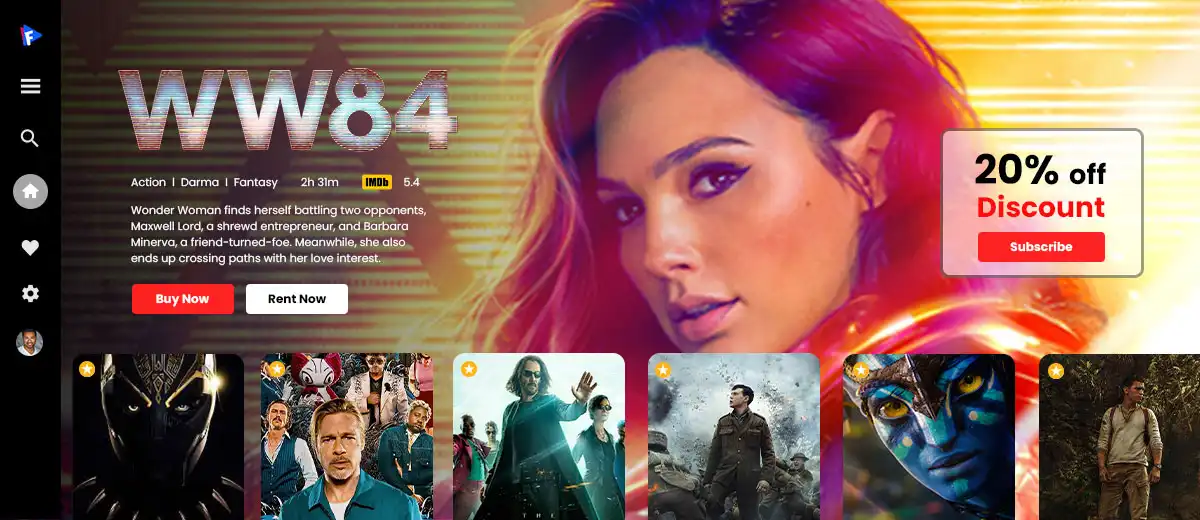
Video content has become one of the most powerful channels for creators and businesses to interact with audiences and share valuable information. With the explosive growth of video platforms like YouTube, TikTok, Instagram and various VOD services, there are more opportunities than ever to monetize video content and turn your passion into a profitable venture. In fact, video now makes up about 82% of all internet traffic and the average person spends around 17 hours per week watching online videos, which is more than two full workdays’ worth of consumption.
Whether you are a vlogger, influencer or business owner, these 10 video monetization strategies will help you generate revenue from your videos and scale your online presence.
What Is Video Monetization?
Video monetization refers to the process of generating revenue from the videos you publish and share on platforms like YouTube, Patreon, your own VOD service or social networks. This can happen through one or a combination of several methods including:
- Advertising (AVOD): Brands pay to show ads on your videos while viewers access the content for free.
- Direct Transactions (TVOD): Users pay per view or per piece of content they watch.
- Subscriptions (SVOD): Users pay a recurring fee to access your video library.
Platforms like Netflix, Hulu, Uscreen and Patreon exemplify different monetization models that creators and businesses leverage to generate income. Understanding these models is the first step to learning how to monetize video content effectively.
Why Video Monetization Matters
Monetizing your video content doesn’t just bring in money. It turns your creativity into a sustainable business. Here are some of the key benefits:
- Generate consistent revenue from ad revenue, sponsorships or subscriptions.
- Reward your creative work with financial payoff.
- Support content production with funds for better equipment, editing and scaling.
- Reach wider audiences, as monetized content is often prioritized and recommended more.
- Open opportunities for growth, such as brand partnerships and collaborations.
Video Monetization: Quick Industry Stats
These numbers show how strong the video content monetization ecosystem has become:
- YouTube has paid creators over $100 billion to date, making it one of the most lucrative platforms for monetizing videos.
- Globally, digital video ad spend is projected to exceed $223.5 billion in 2026, marking double‑digit growth.
- Only a small percentage of creators earn major income from ad revenue alone. Roughly 0.3% of YouTubers earn the equivalent of ₹5 lakh (~$6,000) per month.
- Sponsorships on YouTube saw a 54% year‑over‑year increase in 2025, showing brands are investing more in creator-driven campaigns.
These stats reveal two truths: monetizing video content is massive, but success often depends on strategy, quality and diversification.
10 Proven Tips to Monetize Video Content
1. Build Strategic Sponsorships
Sponsorships pair your content with a brand’s message. Instead of random ads, sponsors pay you directly to showcase their products or services in your videos. To attract sponsors:
- Create high-quality videos with strong audience engagement.
- Reach out to brands whose products fit naturally with your content.
- Offer multiple integration options (mention, product demo, co-branded series).
Sponsored videos are increasingly valuable and brands are spending more on creator partnerships than ever before.
2. Leverage Advertisements
Display ads are the most familiar form of video monetization:
- On YouTube, join the YouTube Partner Program and enable monetization.
- Ads can appear before (pre‑roll), during (mid‑roll) or after (post‑roll) your videos.
But remember, ads alone rarely sustain most creators, especially when driving impact and revenue beyond simple view counts. While some advertising relies on misleading tactics, there are legitimate ways to use ads effectively to generate revenue, for example by strategically leveraging YouTube’s ad formats.
3. Sell Through Affiliate Marketing
Affiliate marketing lets you earn a commission by recommending products or services:
- Join programs like Amazon Associates and ClickBank.
- Insert affiliate links in your video descriptions.
- Recommend products that genuinely help your audience.
This method can generate passive income long after the video is published, especially if your videos rank on search engines with strong evergreen traffic.
4. Tap Into Crowdfunding
Platforms like Patreon, Kickstarter or GoFundMe let your loyal fans support your work financially:
- Offer exclusive perks (behind‑the‑scenes videos, first access, private chats).
- Build long-term revenue with recurring fan support.
Crowdfunding works best when your audience feels personally invested in your journey and content.
5. Offer Paid Subscriptions
Subscriptions give your most dedicated fans access to exclusive content:
- Platforms like YouTube Memberships, Twitch and Patreon enable creator subscriptions.
- Offer perks like ad-free content, early access, custom emojis or bonus videos.
- Monthly recurring payments stabilize your income and deepen viewer loyalty.
6. Sell Merchandise
Leverage your brand by selling custom merchandise:
- T-shirts, hoodies, mugs and stickers help fans feel connected.
- Use platforms such as Shopify, Teespring or Redbubble to handle production and fulfillment.
- Merch adds another revenue layer and strengthens your brand identity outside of video views.
7. Partner with Brands
Brand partnerships are similar to sponsorships but often larger in scope:
- Work on long-term collabs with companies that align with your niche.
- Create a content series or integrated campaign.
- Authenticity is key. Your audience will trust and engage more with partnerships that feel natural.
8. Create and Sell Online Courses
Turn your expertise into premium educational products:
- Host online courses on platforms like Udemy, Teachable or Skillshare.
- Teach skills relevant to your audience (e.g., video editing, niche subject matter).
- Online courses can be sold at premium prices and often yield high profit margins compared to ad revenue.
9. Produce Sponsored Content
Sponsored content involves creating video episodes or series centered around a specific product:
- Disclose sponsorship clearly to your audience. Trust matters.
- Tailor the content to be helpful, not just promotional.
This approach blends content and commerce in a way that benefits both viewers and sponsors.
10. Use Product Placement
Instead of a direct sponsorship, integrate products naturally within your narrative:
- Show products you use and love within your videos.
- Placement should feel organic, as forced ads can hurt engagement.
- Always follow disclosure guidelines so viewers know when products are part of a monetization strategy.
Bonus Best Practices
Mix Monetization Models for Maximum Impact
Most successful creators don’t rely on a single revenue source. Ads, sponsorships, merch, online courses and subscriptions can all work together to build a sustainable ecosystem.
Track Revenue Beyond Views
Views matter, but they’re not the whole story. Monitor:
- Click-throughs on CTAs
- Conversions from links
- Revenue from each content type
These insights help you optimize video performance toward actual revenue outcomes.
Make Videos That Serve Business Goals
Not every video needs revenue, but every monetized video should support a clear business goal (lead gen, sales, retention, brand authority).
Conclusion
Monetizing your video content is no longer optional and is essential for creators and businesses who want to turn content into real revenue. From sponsorships and ads to subscriptions, merchandise and online courses, there are multiple ways to generate income from your videos.
While stats show that only a small percentage of creators earn significant income from ad revenue alone, combining strategies and diversifying revenue streams is what drives long-term financial success.
By implementing these 10 tips with strategy and consistency, you can maximize the revenue potential of your video content monetization efforts and scale your creative or business journey to new heights.



Leave a Reply